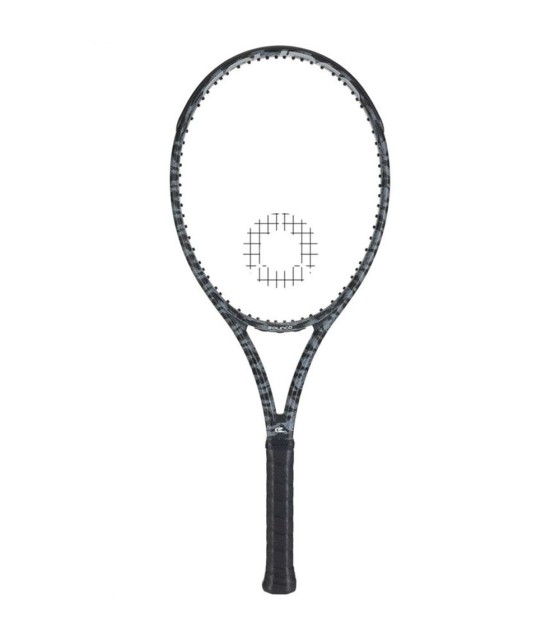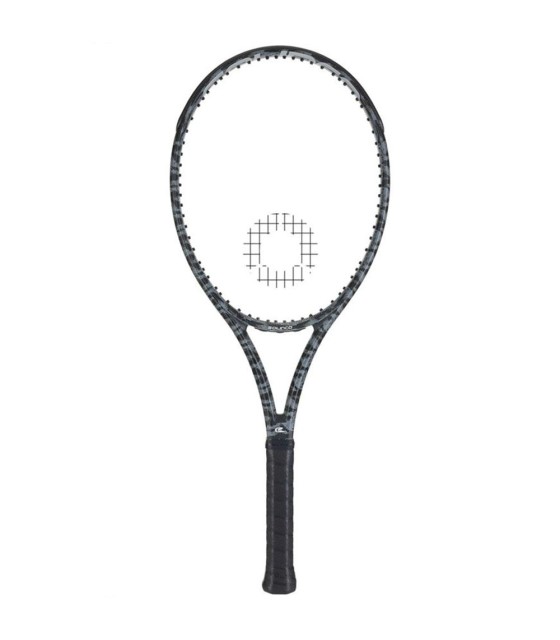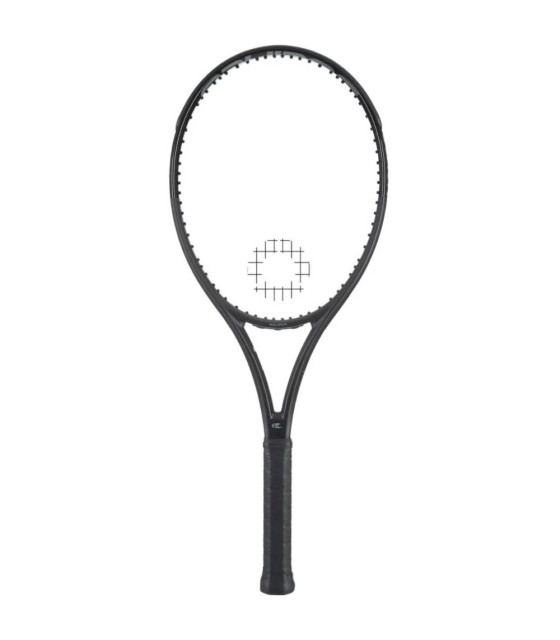
Solinco Blackout
A family focused on power, spin and depth, with manageable weights for different playing levels.
View familyExplore the two Solinco racket families. Blackout focuses on power, spin and explosive ball speed, while Whiteout is built around precision, control and feel for faster swings.
Two clearly defined playing profiles to help you find the response that best matches your game.
A family focused on power, spin and depth, with manageable weights for different playing levels.
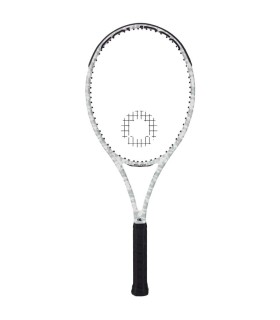
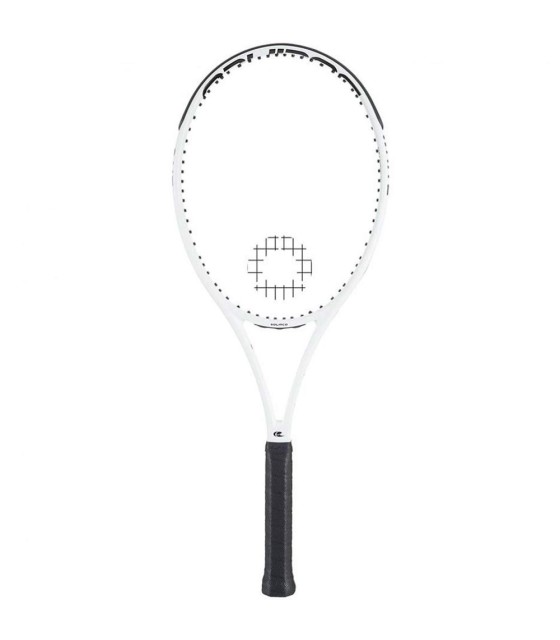
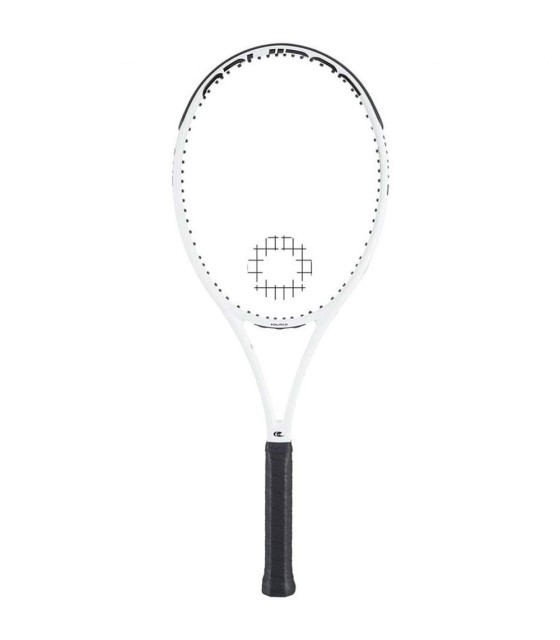
Control and precision rackets with a more connected response and weights suited to players with complete swings.
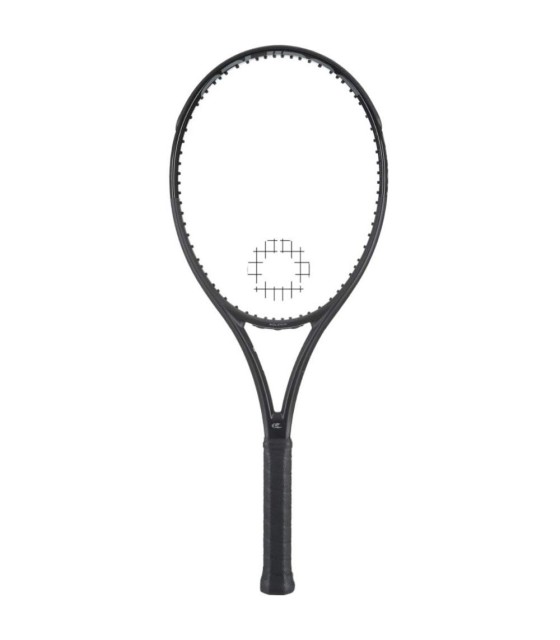
Explore Blackout in 285 and 300 g versions, designed for players seeking accessible power, spin and a stable response from the baseline.
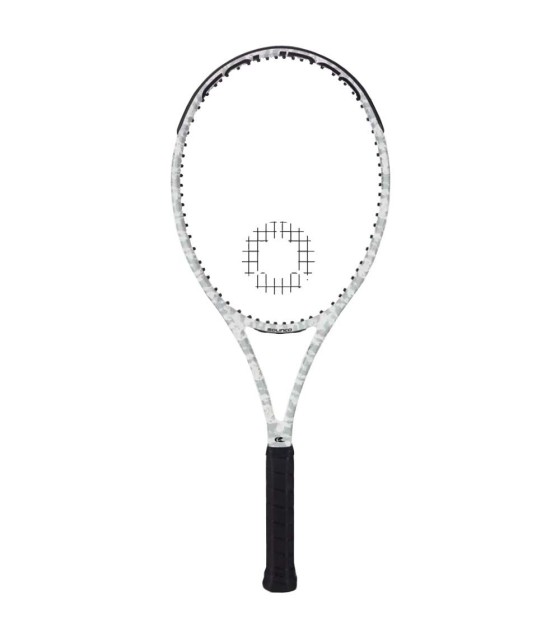
Discover Whiteout in 290 and 305 g versions, aimed at players who prioritise control, precision and feel through a complete swing.
Solinco tennis rackets are divided into two families with clearly different personalities. Blackout is designed to create power, depth and spin with less effort, while Whiteout targets players who accelerate confidently and want a more precise trajectory, connected feedback and greater directional control.
At Ipontennis you will find Blackout models at 285 and 300 grams and Whiteout versions at 290 and 305 grams. This progression makes it possible to adjust manoeuvrability and stability without changing the underlying playing concept. Weight is only one factor: head size, beam design, string pattern and generation also matter. V2 models introduce updated construction and damping, but the right racket remains the one you can move efficiently for an entire match.
Start with swing speed, the trajectory you naturally produce and the amount of assistance you need to create depth.
If your swing is medium or you want easier ball speed, Blackout combines a 100 square inch head, open pattern and a power-and-spin response. If you create pace independently and want tighter height and direction control, Whiteout uses a 98 square inch head and thinner beam.
The 285–290 gram options support quick preparation, defence and acceleration. At 300–305 grams, extra mass improves stability against fast balls but asks for earlier preparation and better coordination. Choose by full-match performance rather than by an abstract level label.
Blackout often benefits from a string that manages depth without removing spin. Whiteout allows setups focused on feel and precision. In both families, excessive tension can make the response unnecessarily firm; gauge, material and tension should reflect technique, frequency and sensitivity.
A direct comparison between Blackout and Whiteout quickly reveals which response is more suitable for your game.
A 100 square inch, 16x19 family focused on power, spin and depth. The 285 and 300 gram options let players choose between maximum racket-head speed and greater stability.
View Solinco Blackout rackets →98 square inch frames for faster swings, control and feel. The 290 and 305 gram weights range from an accessible option to a more solid and demanding response.
View Solinco Whiteout rackets →Current platforms use solutions such as Arch-2 Construction, 40T carbon fibre and Liquid Crystal Technology to influence stability, responsiveness and frame flex. In versions equipped with Foam Tech Core, specifically formulated foam fills areas of the hoop to reduce vibration and improve feel.
Blackout adds Power Flex Zone, with beam geometry reinforced around the five and seven o'clock areas to support flex and energy return. Whiteout uses a thinner, constant beam intended to deliver a more controlled trajectory and defined ball response.
Two rackets with similar weights can move very differently because of balance, beam and mass distribution. Blackout 300 and Whiteout 305 are not equivalent choices: the first assists power and spin, while the second asks for more player-generated speed and rewards precision.
Grip size and string setup complete the package. A string bed that is too firm or an incorrect grip can prevent the frame from working properly. Compare your current racket, the weight you actually handle and the type of ball you want to create.
Please sign in first.
Sign in
How can we help you?