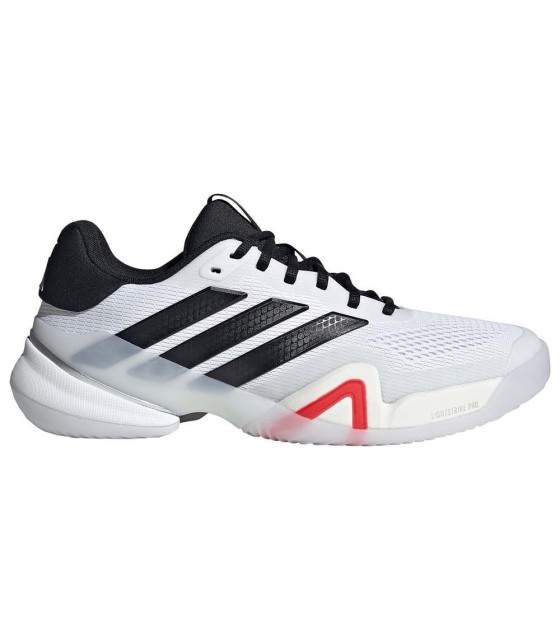
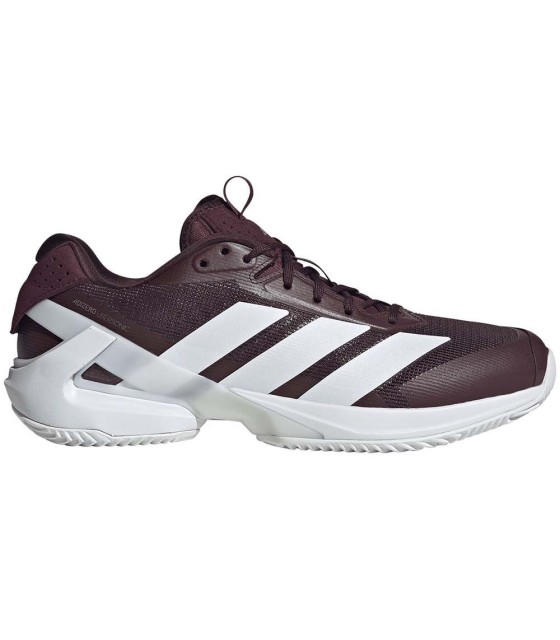
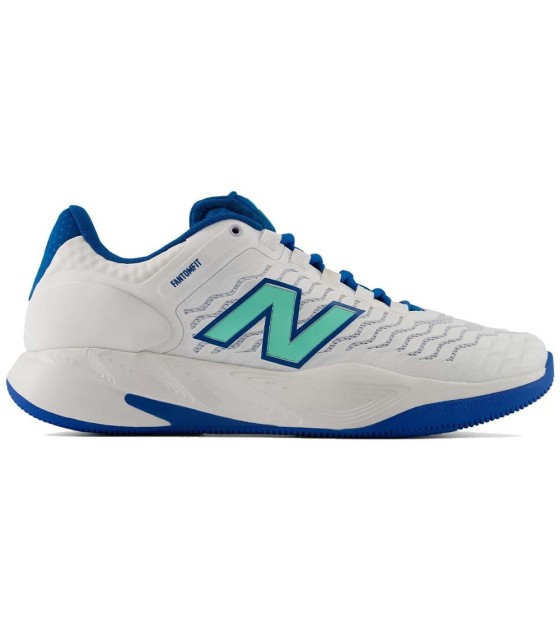
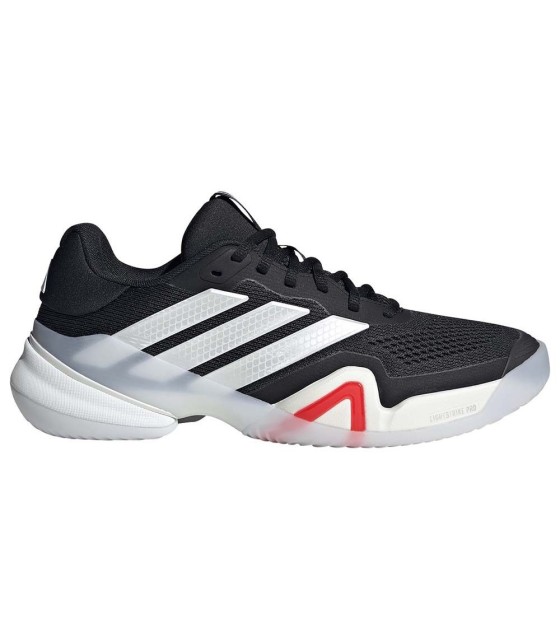
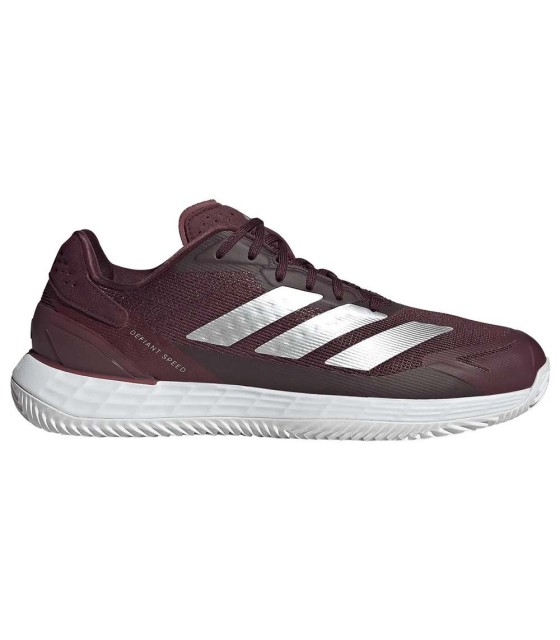
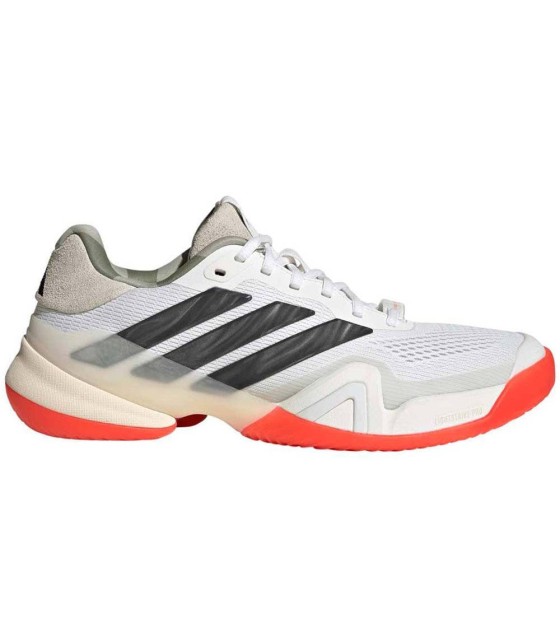
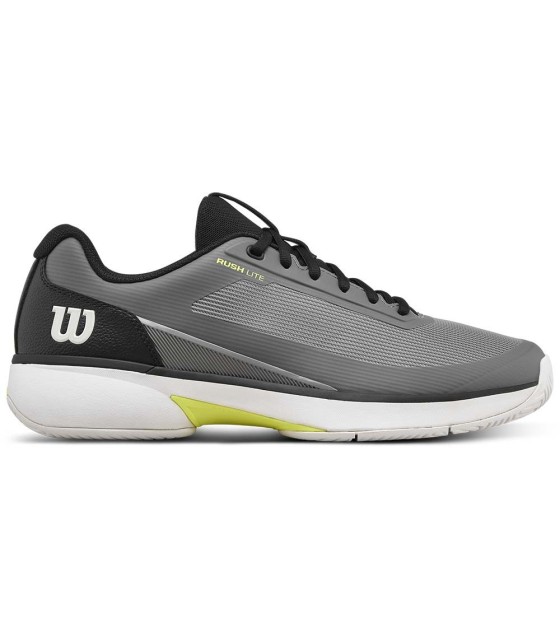
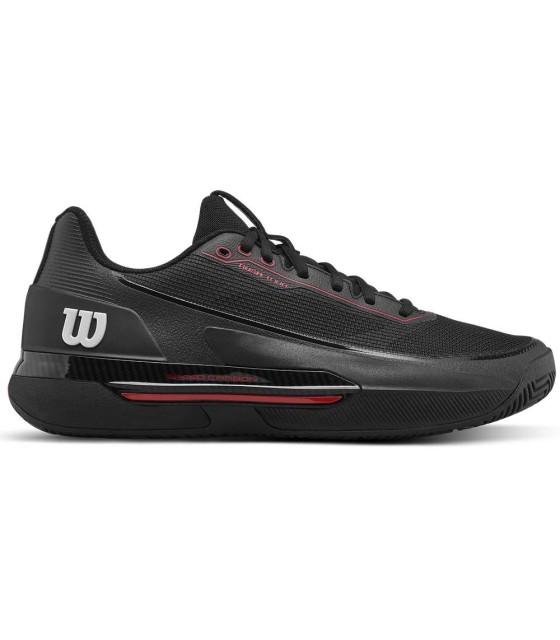
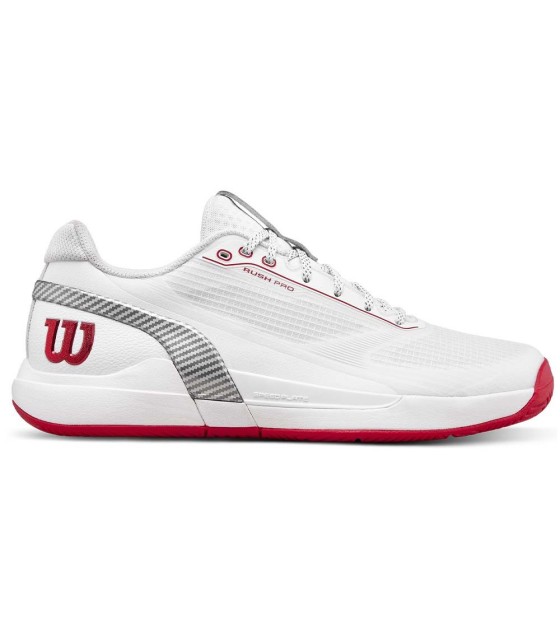
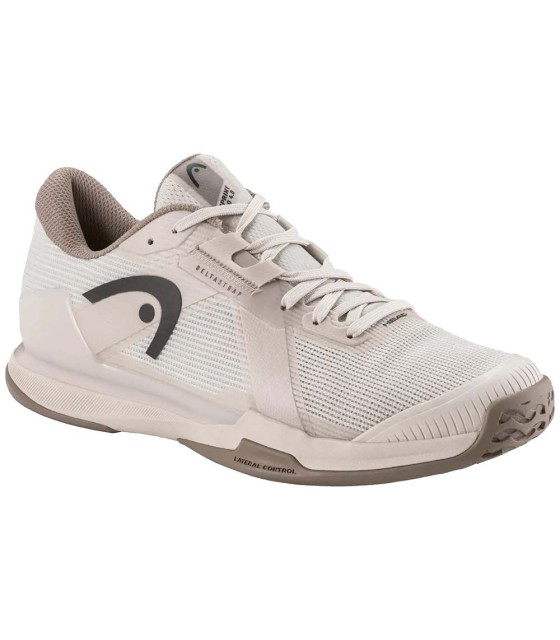
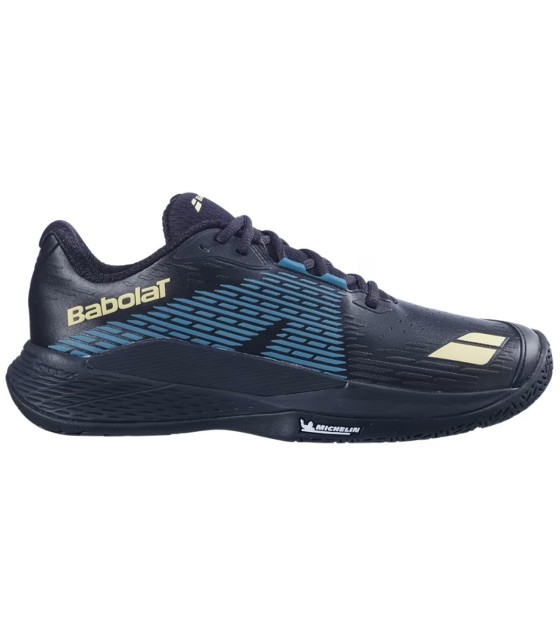
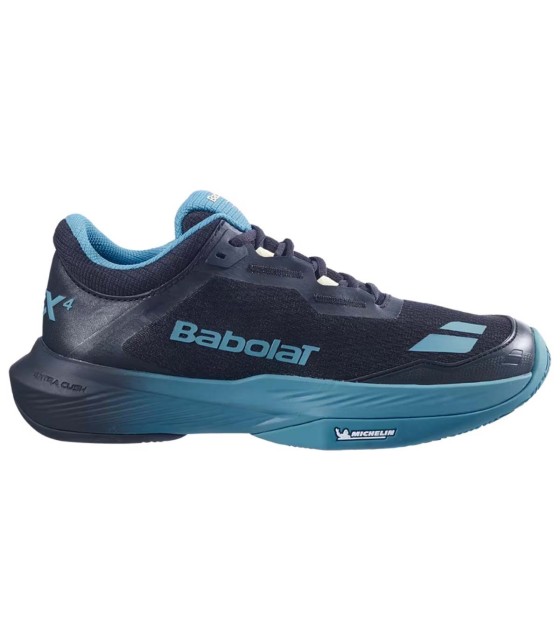
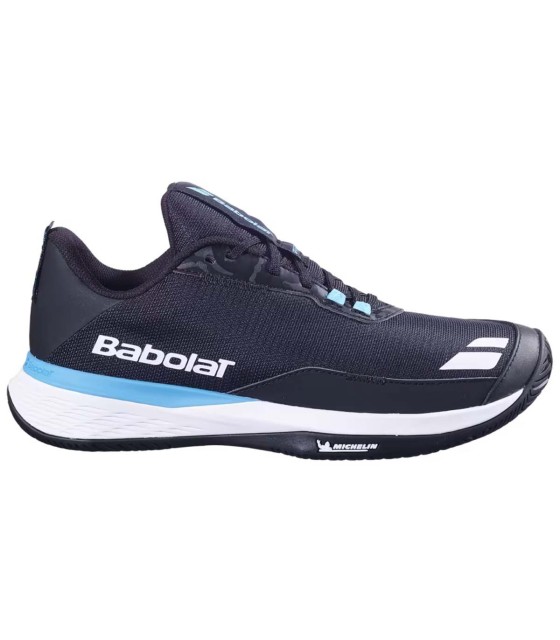
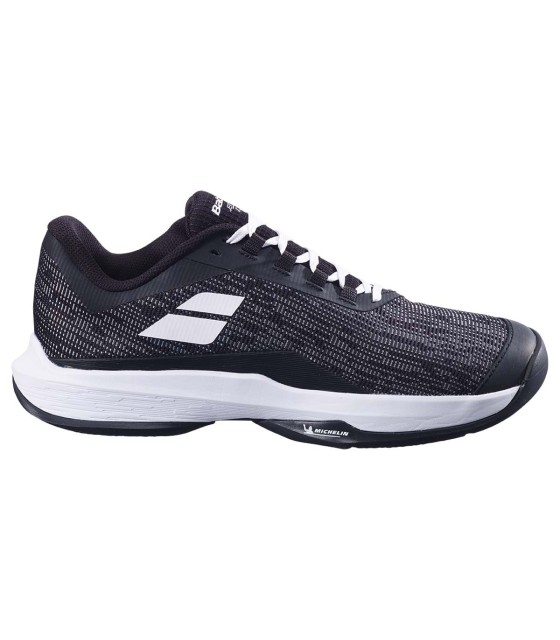
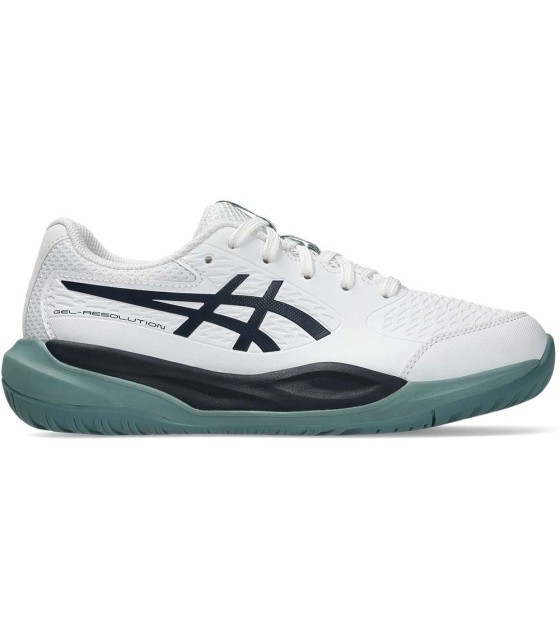
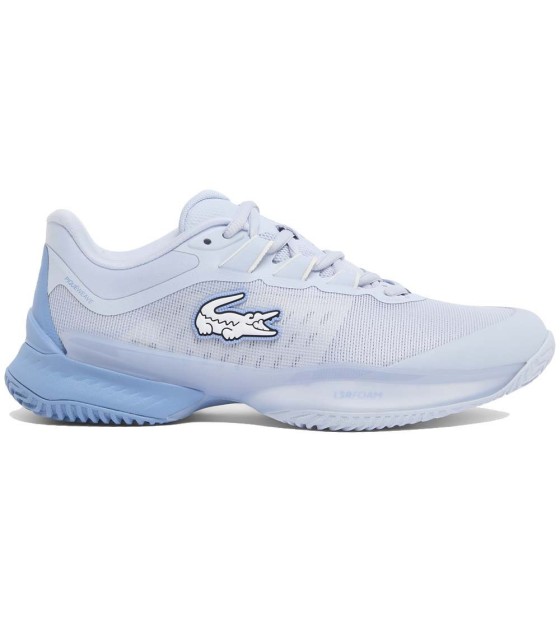
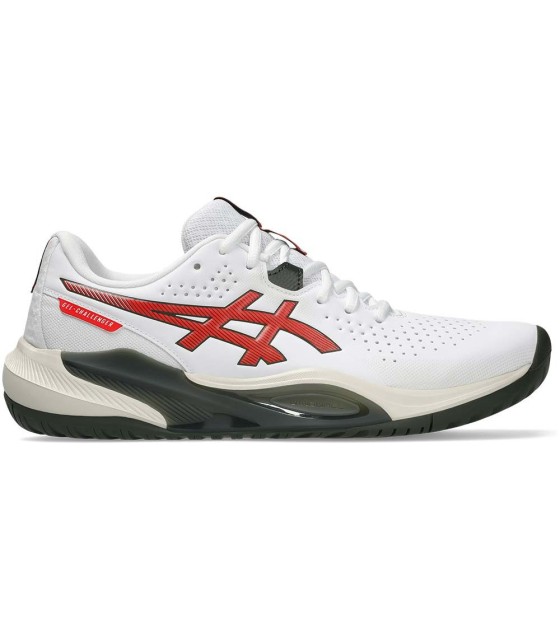
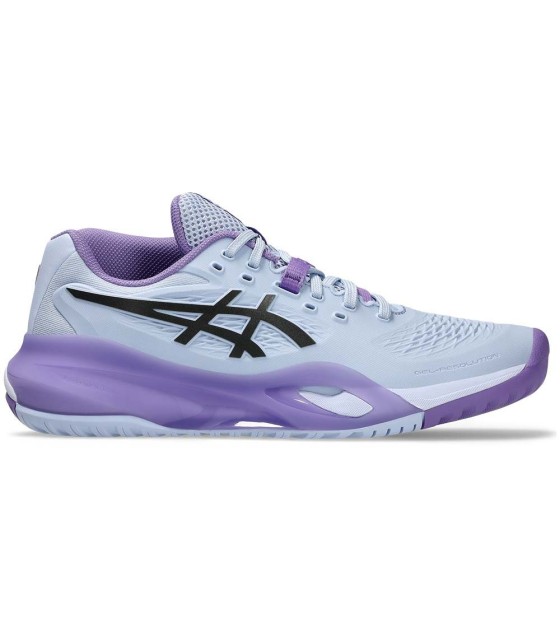
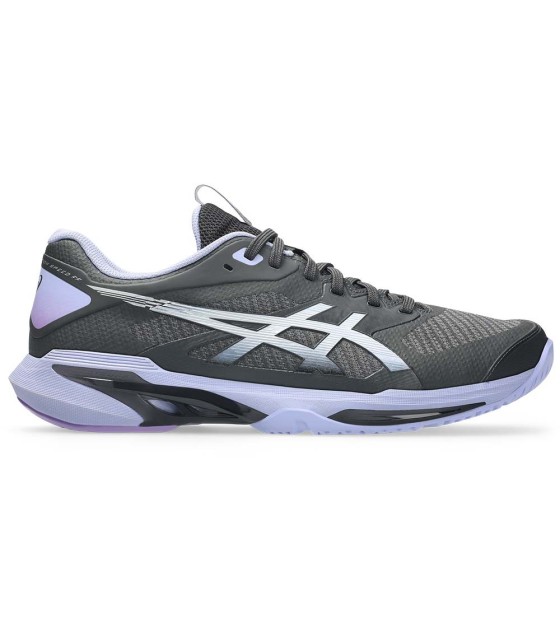
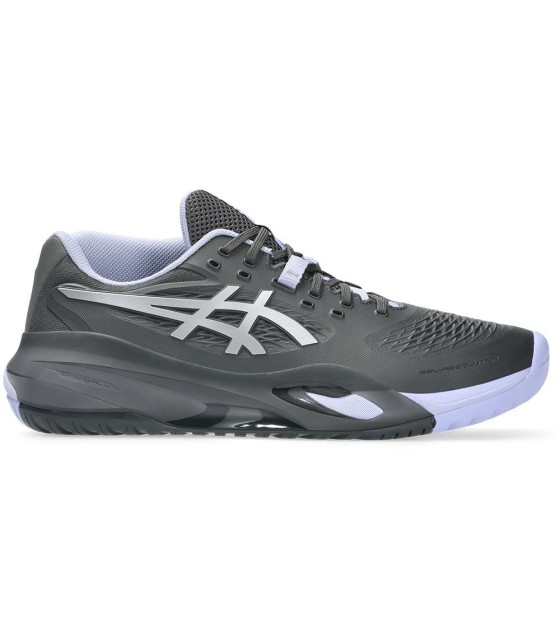
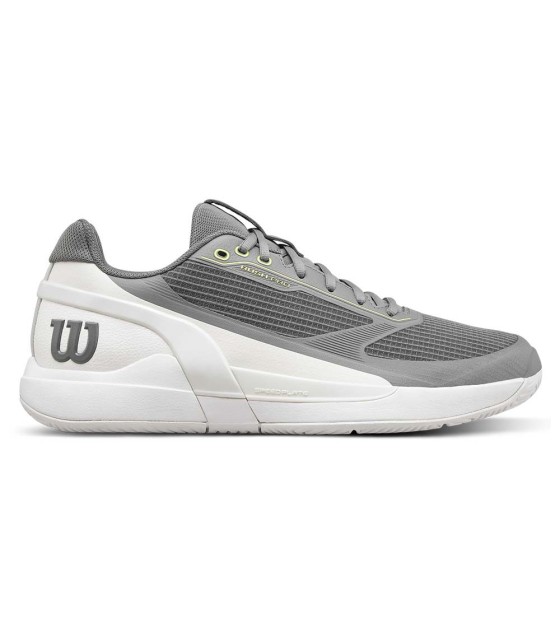
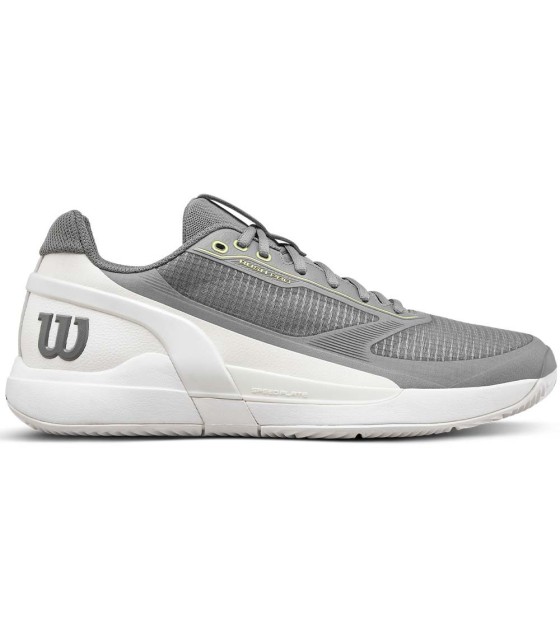
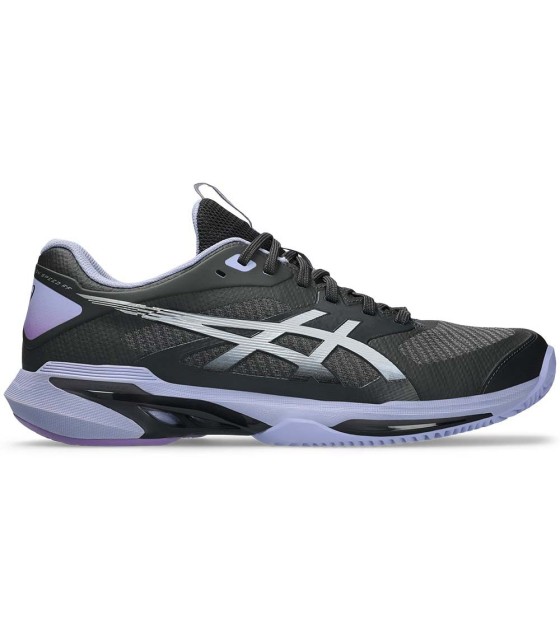
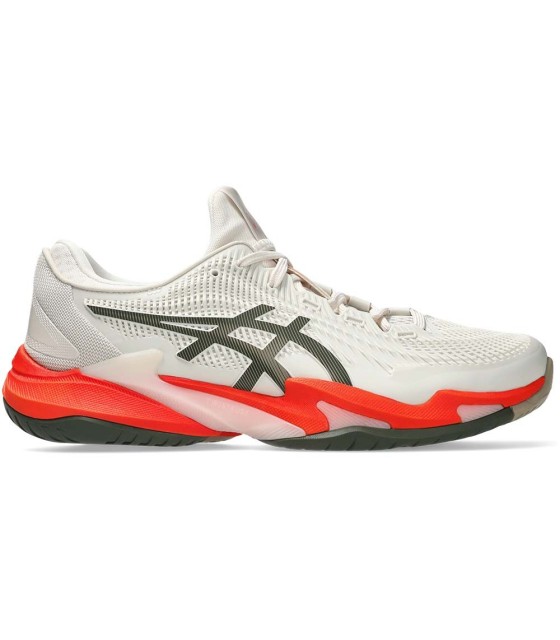
Men’s tennis shoes are a fundamental part of your equipment because they are involved in every acceleration, stop, lateral step and change of direction. Choosing footwear that suits your foot, court surface and playing frequency can improve security underfoot and help maintain comfort throughout training sessions and matches. At Ipontennis, you can compare specialist options by fit, outsole, cushioning, stability and durability before making your choice.
There is no single shoe that works for every player. Start with the way you move and the feel you want on court. A fast player may prefer a light, flexible model; someone who loads the outside of the shoe during demanding lateral movements may value a broad, stable base and structured upper; and a player who trains several times a week should pay close attention to wear resistance.
Your usual court should be one of the first filters. On clay, a herringbone outsole helps release loose material and supports controlled sliding. For hard courts, look for abrasion-resistant rubber, effective cushioning and a tread pattern that balances grip with the ability to pivot. All-court outsoles provide versatility when you alternate between surfaces, although frequent players generally achieve more precise performance with footwear made for their main court type.
Light shoes can feel agile and close to the court, which may suit players who prioritise speed and responsiveness. More structured designs generally provide stronger heel and midfoot containment, helpful for intense baseline movement or anyone seeking additional security. There are also balanced options between these two profiles. Do not decide by shoe weight alone: the right model should keep your foot controlled without restricting its natural movement.
Measure both feet at the end of the day and use the longer foot as your reference. Try shoes with your usual tennis socks and test a few lateral movements. The heel should not lift and your toes should not hit the front when stopping. If you have wide feet, use orthotics or sit between sizes, check the last and internal volume of the specific model, as fit can vary between brands. A new tennis shoe should feel secure, but it should never cause pressure, tingling or numbness.
The active Ipontennis selection includes models from Adidas, ASICS, Babolat, Head, JHAYBER, Joma, K-Swiss, Lacoste, Le Coq Sportif, Lotto, Mizuno, Munich, New Balance, Wilson and Yonex. Each manufacturer offers different combinations of fit, stability, cushioning, weight and outsole design. Compare individual models rather than choosing only by brand or appearance. You can also browse all our tennis shoe brands.
Ipontennis has specialised in tennis since 2006, selecting footwear for different levels, surfaces and playing frequencies. Use size and brand filters to narrow the catalogue, then review the product information before buying. You can also visit our women’s tennis shoes or junior tennis shoes. If you are comparing several models, our team can help you assess fit, outsole and intended use.
Can I play tennis in running shoes?
It is not recommended. Running shoes are mainly designed for forward motion, whereas tennis involves frequent stops and lateral movement. A tennis-specific shoe provides an outsole and structure developed for these demands.
When should I replace my tennis shoes?
Check them when the tread loses grip, the cushioning feels compressed, the upper no longer holds the foot securely or uneven wear changes your stance. Lifespan depends on surface, playing frequency and movement style.
Is a light or stable shoe better?
It depends on your priorities. Low weight supports agility, while stability offers more control under demanding loads. Many players perform best in a balanced model.
Please sign in first.
Sign in