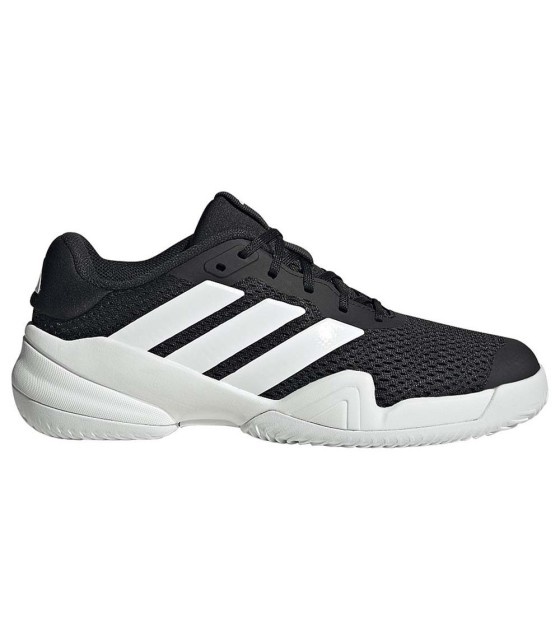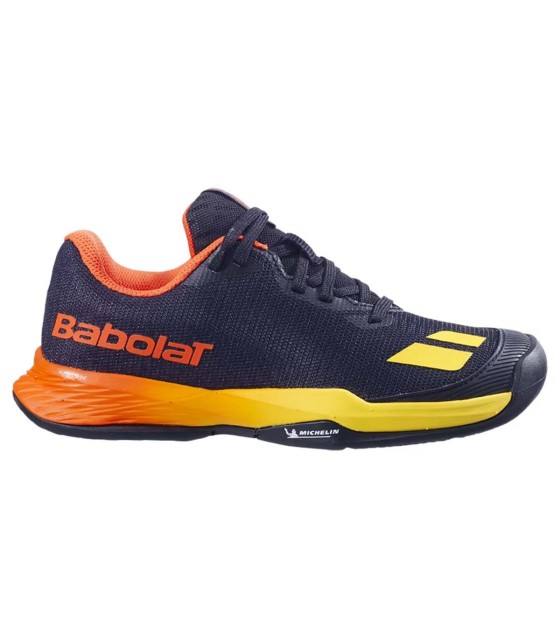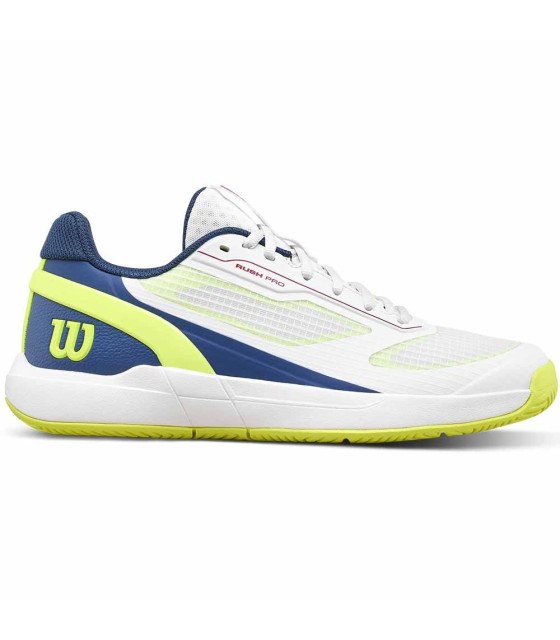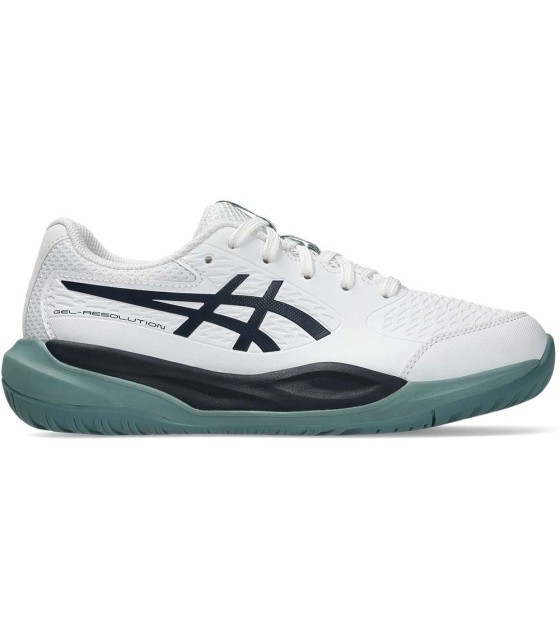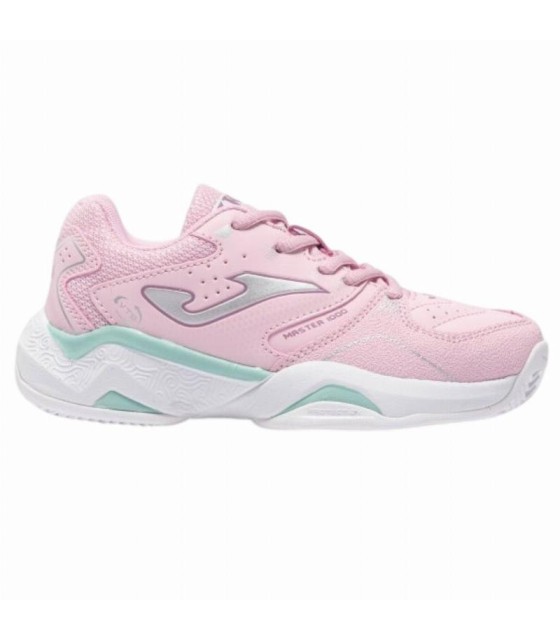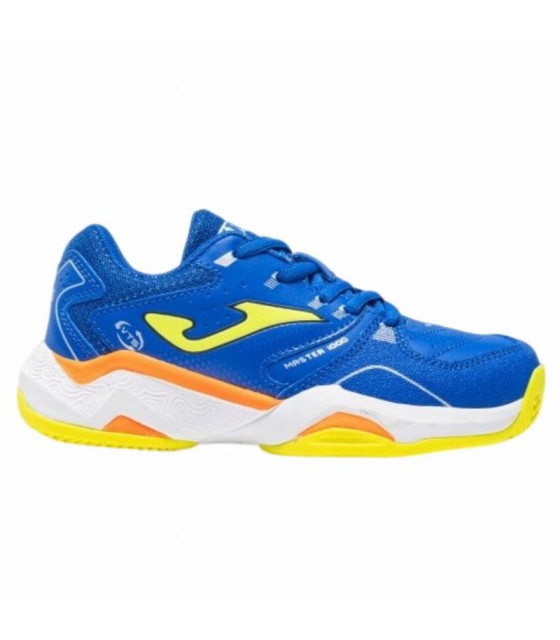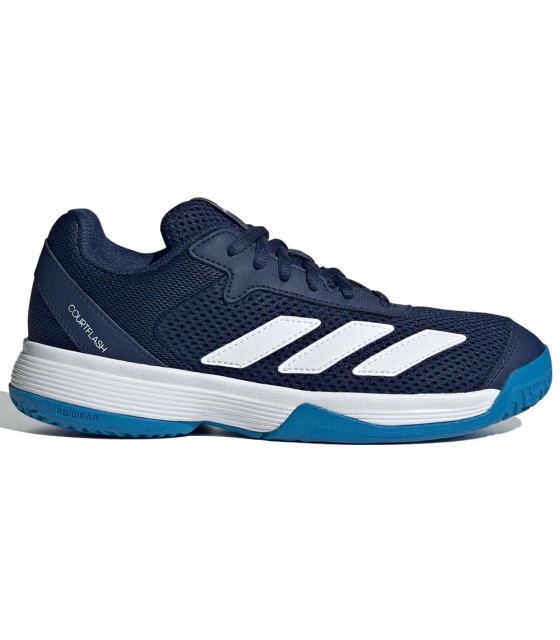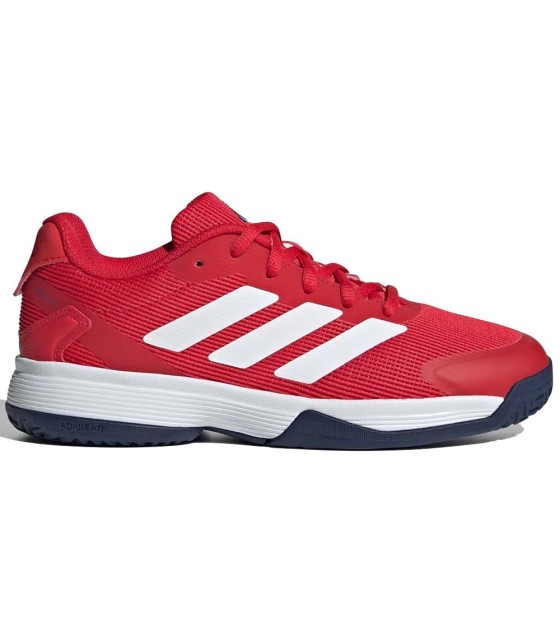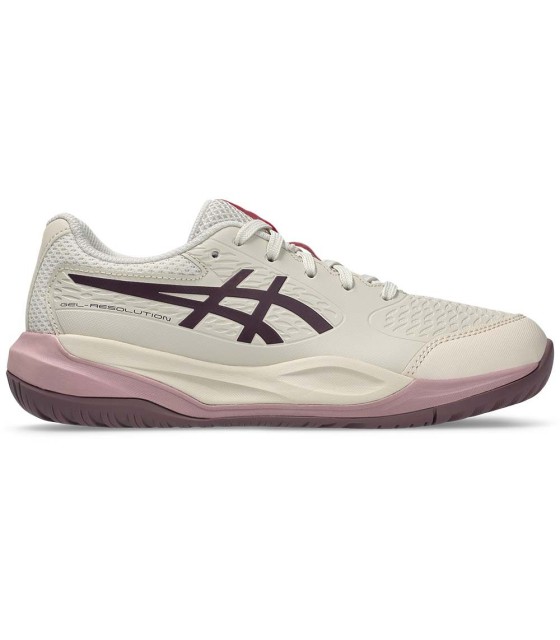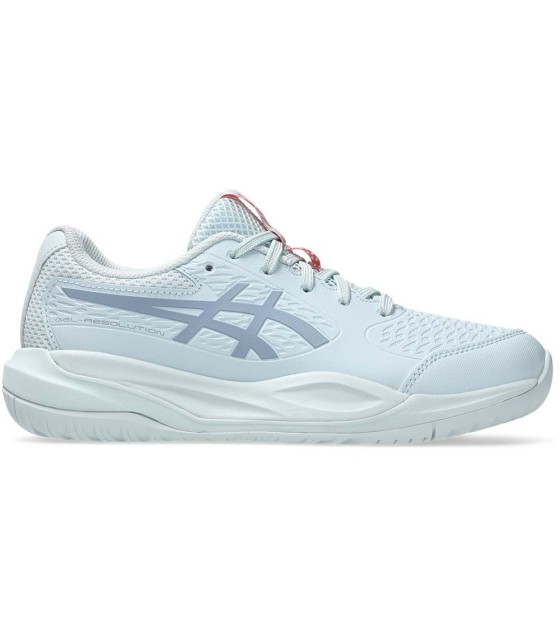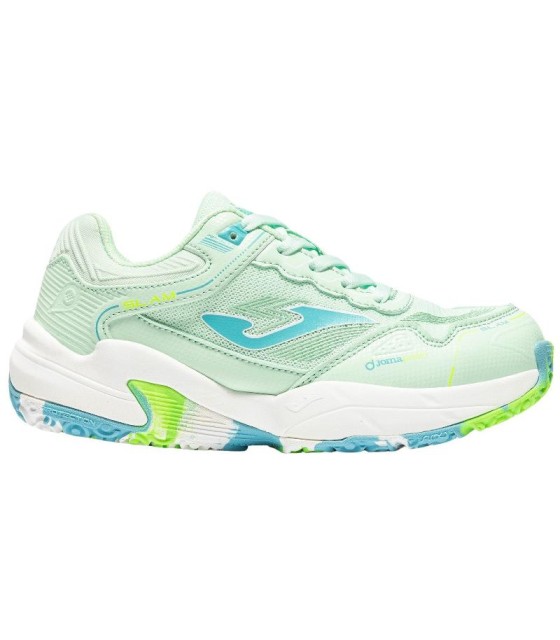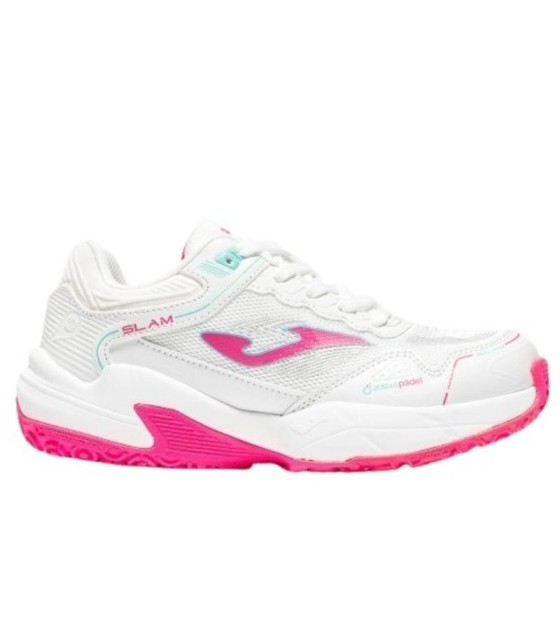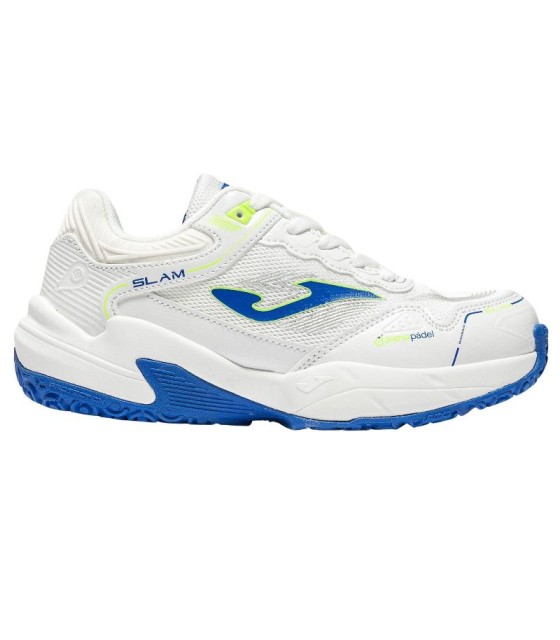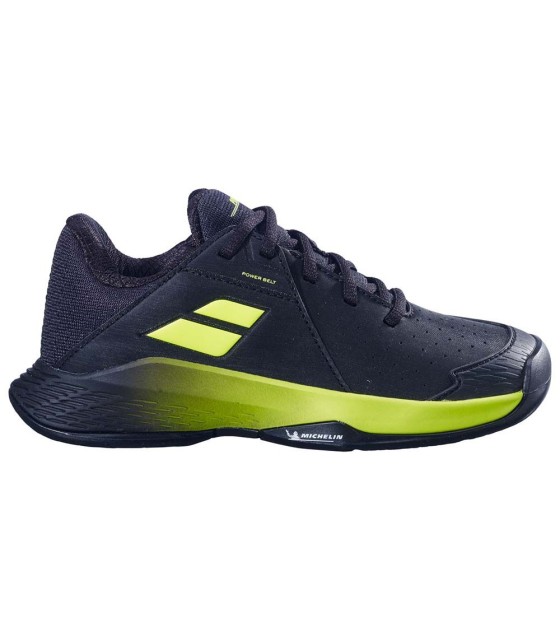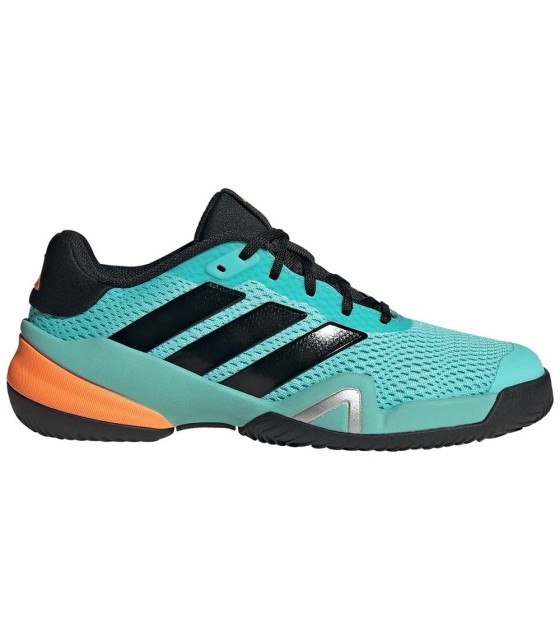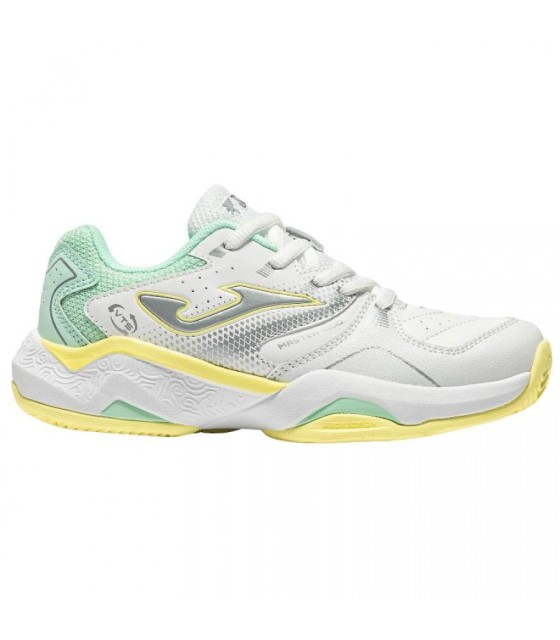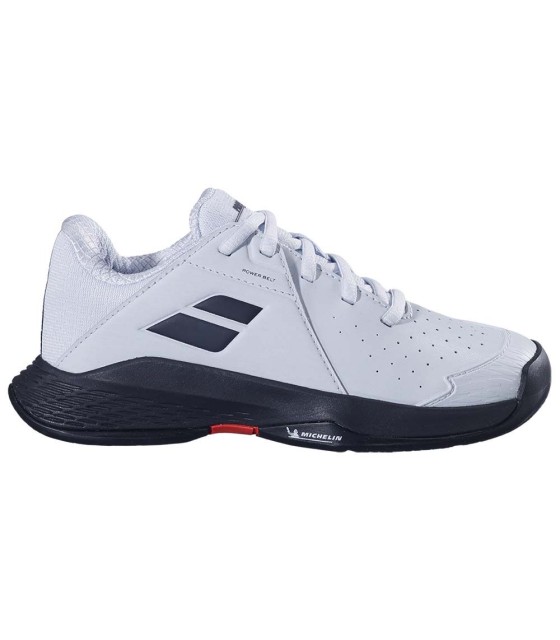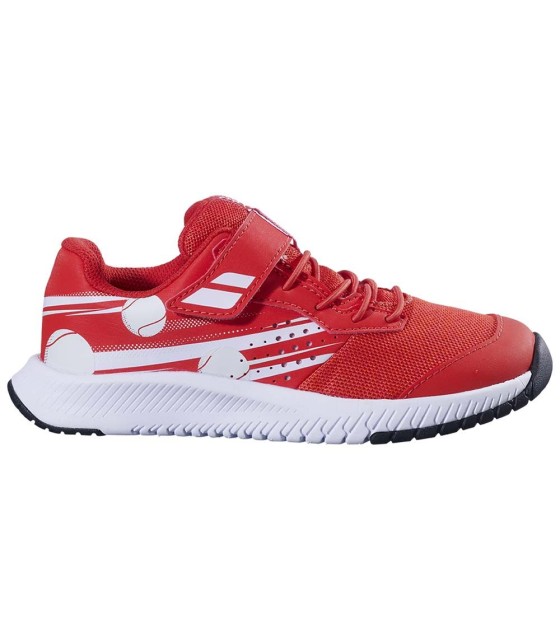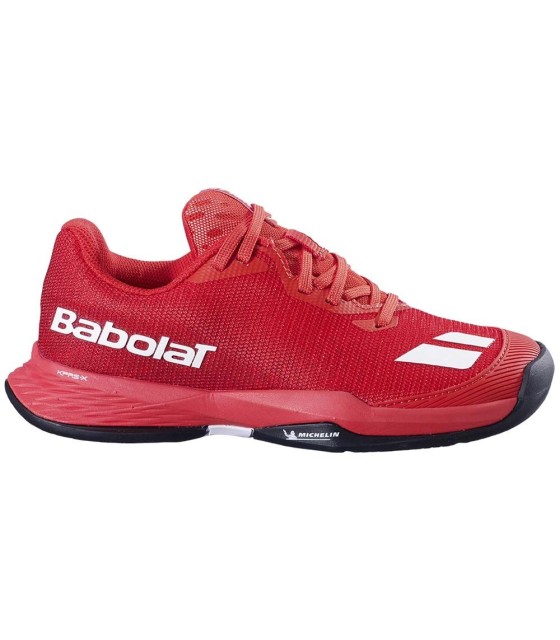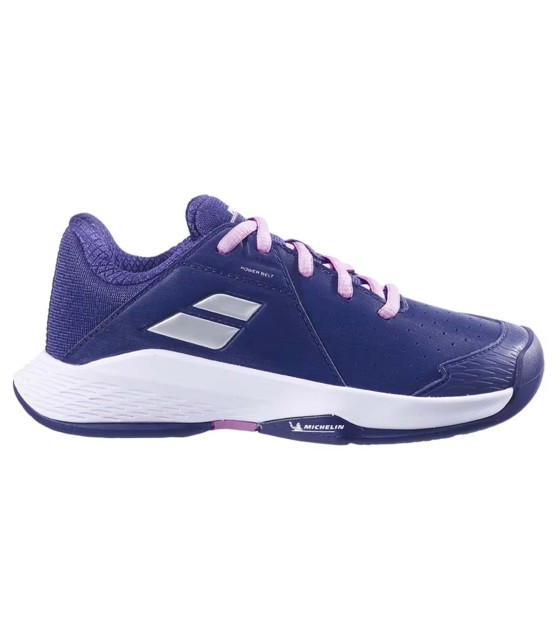
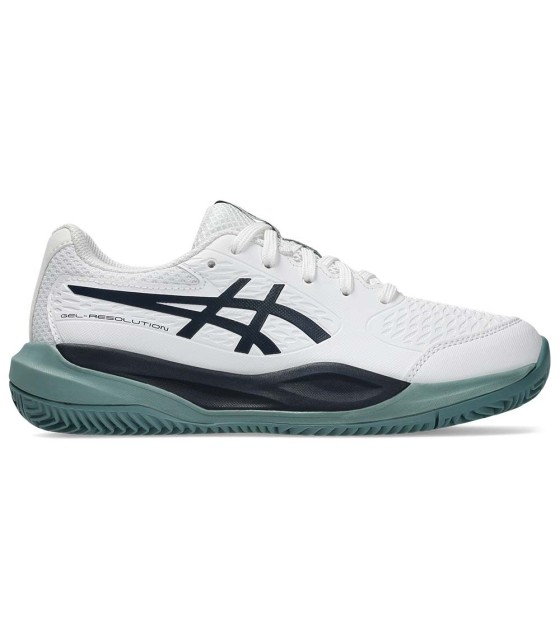
Junior tennis shoes should provide a comfortable fit, stable base and suitable outsole so children and teenagers can move with confidence. Learning tennis involves repeated acceleration, stopping and changes of direction, which means general sports footwear may not provide sufficient support. At Ipontennis, you can find models for young tennis players across different levels, sizes and court surfaces.
The priority is the correct size at the time the shoes will be worn. Buying a pair that is much too large to make it last longer can allow the foot to slide, cause rubbing and reduce stability. Also consider training frequency, surface and the way the young player wears down footwear. A beginner needs comfort and easy movement, whereas someone training several times a week may require greater resistance and support.
On clay courts, a herringbone outsole improves traction, releases clay and supports controlled sliding. For hard courts, choose abrasion-resistant rubber and cushioning suited to repeated impact. All-court outsoles are a versatile alternative when a junior alternates courts or does not yet play on one consistent surface. Always check the model description because outsole tread affects both grip and freedom of movement.
Measure both feet while the child is standing and wearing the type of sock used for tennis. Use the longer foot as the reference and make sure the toes do not hit the front when stopping. As feet grow, check the fit regularly, particularly if marks, discomfort or changes in walking appear. Do not select a size by age alone: two children of the same age may need very different measurements. When approaching adult sizes, compare internal length rather than relying only on a junior label.
A flexible shoe can make movement easier for younger players, but it should still have a stable platform. Juniors who train intensively or compete may benefit from extra reinforcement, stronger lateral containment and durable materials. The fastening system should also allow a firm, simple adjustment. Whether a model uses laces or another closure, make sure the foot does not move inside and there are no pressure points.
The active Ipontennis selection includes models from Adidas, ASICS, Babolat, Head, Joma, K-Swiss and Wilson. Size and colour availability changes with the season, so filter by size before comparing. Each brand offers a different balance of fit, weight, cushioning, stability and durability. You can also browse all our tennis shoe brands.
Ipontennis has specialised in tennis since 2006, and our team can help you choose footwear according to age, measured size, surface and weekly training. Filter the catalogue, review the model information and avoid deciding only by colour or by buying excessive growing room. For the rest of the family, visit our men’s tennis shoes and women’s tennis shoes. If you are deciding between two sizes, ask us for guidance.
How much growing room should I leave?
Leave only a small margin so the toes do not touch the front. A shoe that is too long reduces hold and can cause rubbing. Use the measured foot length and the brand’s guide.
How often should I check the size?
During growth, check it regularly and whenever the child reports pressure, develops marks or changes their gait. Inspect outsole wear at the same time.
Can a child wear ordinary school trainers?
They may be sufficient for a one-off trial, but regular tennis calls for dedicated footwear designed for lateral movement, stopping and the relevant court surface.
Please sign in first.
Sign in