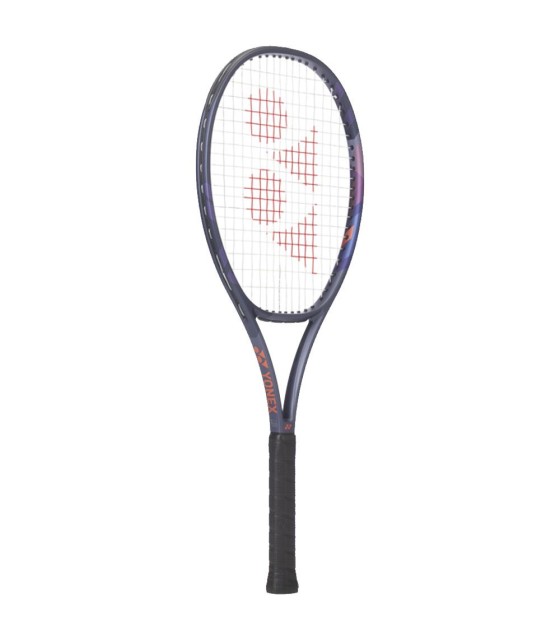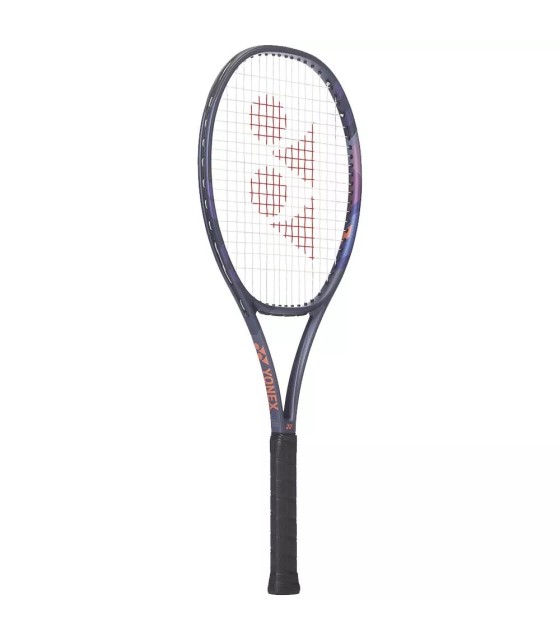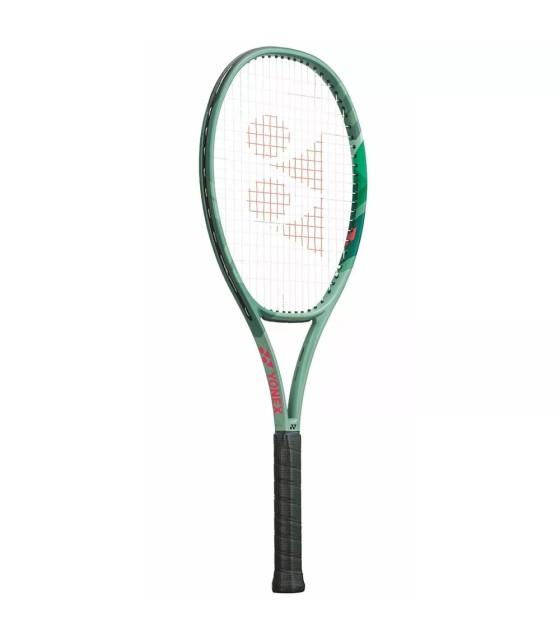
Yonex VCORE
Spin, acceleration and controlled power for producing a heavier ball at different swing speeds.
View familyCompare the four Yonex racquet families: VCORE for spin, EZONE for power and comfort, PERCEPT for precision and feel, and MUSE for smooth, accessible handling.
Four playing identities to find the right balance of power, spin, control, feel and comfort.
Spin, acceleration and controlled power for producing a heavier ball at different swing speeds.
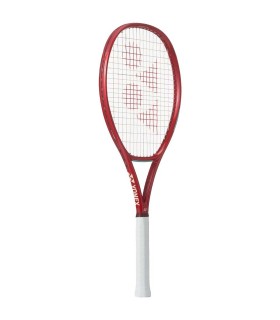
Comfortable power, a generous sweet spot and balanced response for attacking with confidence.

Control, precision and flexible feel for players who want to shape trajectories and sense the ball clearly.
Smooth handling, comfort and accessible power for more natural and consistent rallies.
Explore the 2026 VCORE generation, available from 245 to 305 g for players seeking spin, racquet-head speed and stability on every shot.
Discover the 2025 EZONE range, with models from 245 to 305 g focused on power, comfort and a generous sweet spot for different levels.
Compare Yonex PERCEPT models from 280 to 320 g, designed around control, precision, stability and a more connected impact.
Meet the MUSE family from 265 to 295 g, developed for easy handling, comfort, stable control and a more relaxed playing experience.
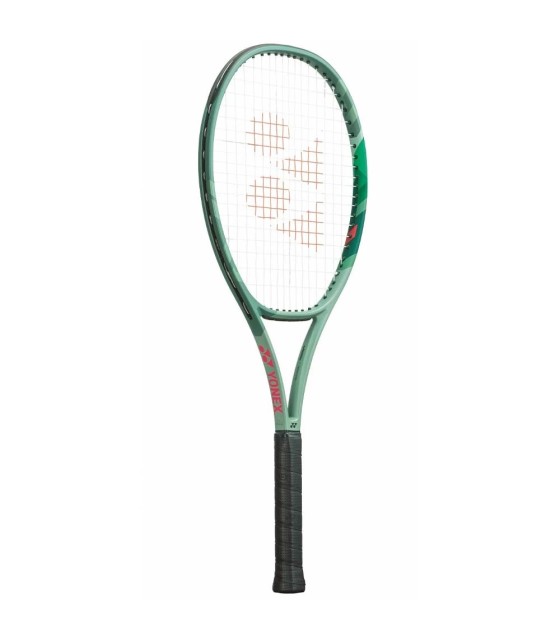
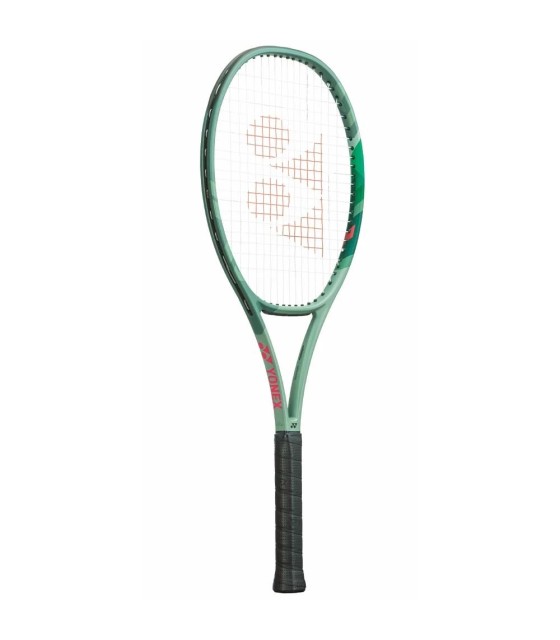
Yonex PERCEPT rackets are intended for players who generate their own speed and want to turn it into direction, variation and depth control. The family aims to extend ball pocketing and transmit clear impact information, with 97- and 100-square-inch heads, open and denser patterns and a broad range of weights.
The category contains eight active references. PERCEPT 97, 97L and 97D cover 290 to 320 grams; PERCEPT 100, 100L and 100D add margin from 280 to 305 grams; Midnight Navy versions refresh the appearance without changing the control concept. It is the broadest Yonex line for tuning precision and mass.
Before deciding, compare the model with your current racket while keeping string, tension and grip size consistent. Perception changes between a short hit and a complete session, so include serve, return, high balls, defence and strokes played under fatigue.
The family shares one identity, but weight and geometry determine how much help it provides and how much technical demand it adds.
PERCEPT 97 targets clean contact, full swings and a direct trajectory. PERCEPT 100 provides more margin and versatility while retaining control. The 100L improves handling, while D variants use denser patterns to organise launch and directional response.
The 280-290 gram options are faster and allow progression within a control platform. The 300-310 gram models add solidity for advanced club players. At 320 grams, PERCEPT 97D demands strength, anticipation and stable technique; it is not automatically better because it is heavier.
PERCEPT is not designed to give away depth like a power line. It performs best when the player prepares early, accelerates continuously and uses the body. If fear of missing slows the swing, a 100 head or lower weight usually produces a more useful balance.
These alternatives show whether the character of PERCEPT truly matches your trajectory and sustainable swing speed.
Use the main category to compare the four families, their weight ranges and different levels of assistance.
View all Yonex rackets →Spin, swing speed and stability for players who shape points with heavy rotation. Ipontennis currently lists seven active models from 245 to 305 grams, including VCORE 98, 100, lighter versions and the Alpha range.
View Yonex VCORE rackets →Controllable power, a generous sweet spot and comfort for easier acceleration. The current selection includes six models from 245 to 305 grams, with EZONE 98, 100, 100L and Alpha alternatives.
View Yonex EZONE rackets →Smooth handling, efficient energy transfer and comfort for natural play. The available range includes MUSE 100, 100L and 100SL between 265 and 295 grams.
View Yonex MUSE rackets →FLEXCON combines an elongated, tapered box section with 2G-Namd Flex Force and Servo Filter to balance flex and launch speed. The structure is intended to lengthen contact and pocketing. A more rigid racquet face helps stabilise the trajectory and improve consistency across repeated strokes.
Response also depends on pattern. Open versions allow easier rotation and launch; PERCEPT 97D and 100D prioritise an ordered response. Choose the density you can accelerate: a control pattern cannot compensate for late preparation. String, tension and gauge should preserve feel without making the system unnecessarily harsh.
A more elastic string adds comfort and depth; a control-oriented monofilament can organise launch when swing speed is sufficient. In both cases, excessive tension reduces the usable sweet spot and may harden impact. Gauge and replacement frequency matter as much as the chosen tension.
Do not automatically copy a professional setup. Their speed, physical preparation and restringing frequency are not comparable with normal club use. The best combination preserves control, comfort and confidence for a complete match, including the moments when footwork becomes less precise.
Please sign in first.
Sign in
How can we help you?