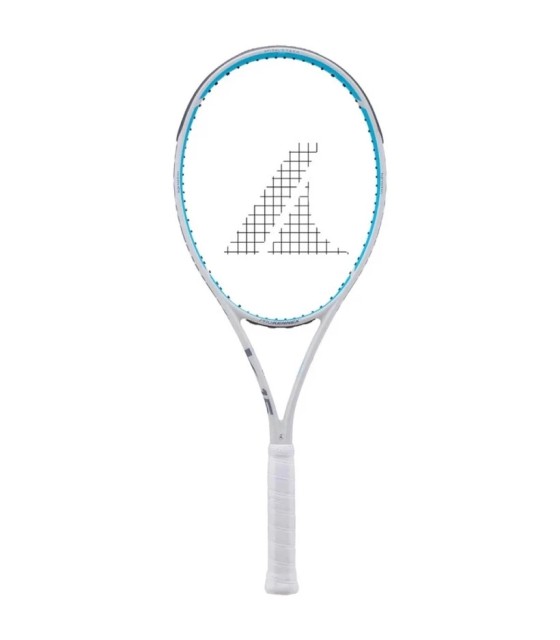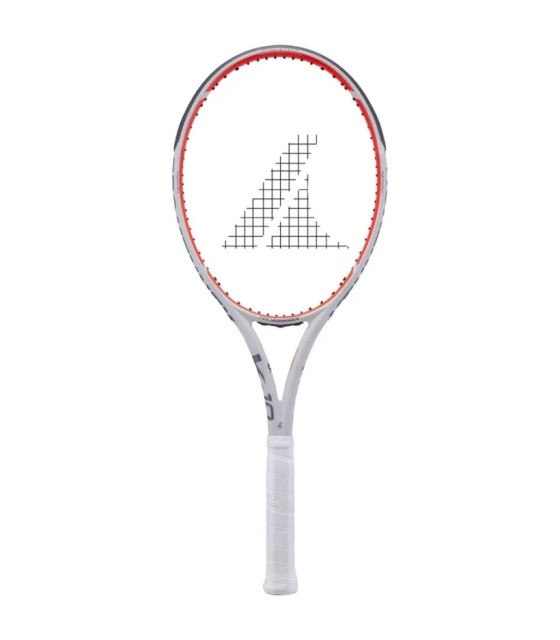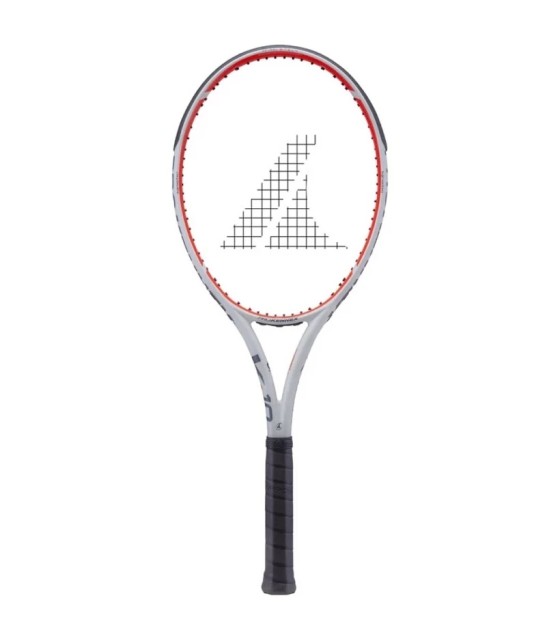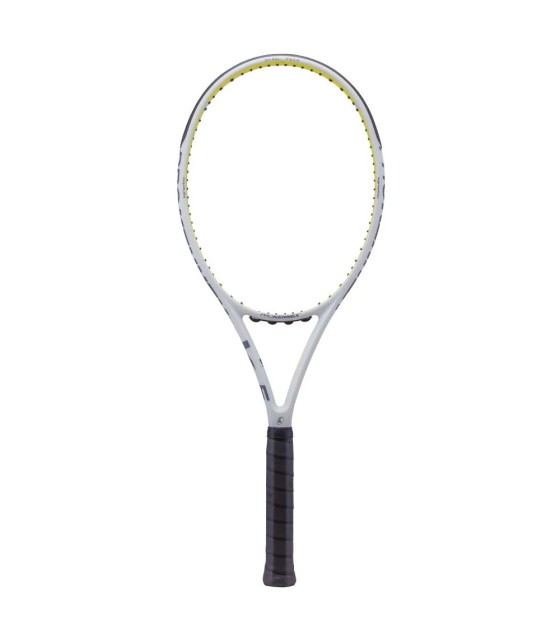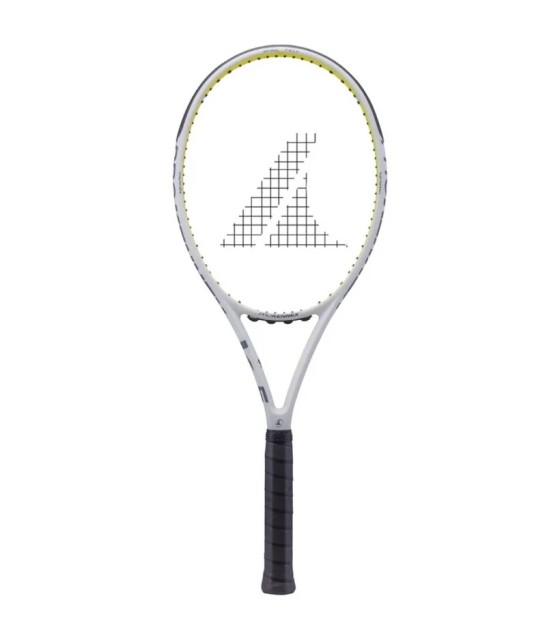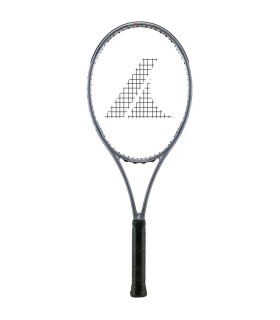
Pro Kennex Q+
The brand's broadest range, with light, balanced and demanding options for different playing styles.
View familyDiscover a collection designed for greater comfort, stability and confidence. Choose between Q+, Ki and Black Ace according to your swing, level and preferred racket weight.
Three different playing approaches with one shared goal: finding a racket that genuinely suits you.
The brand's broadest range, with light, balanced and demanding options for different playing styles.
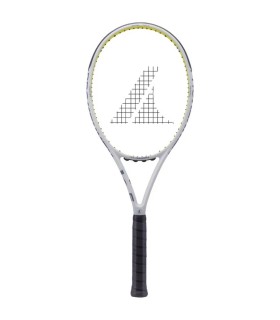
A range focused on comfort and a stable response, with weights that let you balance manoeuvrability and solidity.
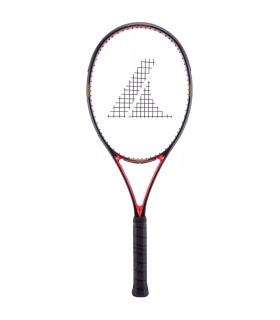
Rackets with character, stability and several weight options for players seeking a firm, precise feel.
Explore the Q+ family, from lightweight 260 g options to 315 g models for players looking for greater mass and stability.
Find your balance of manoeuvrability, comfort and stability in a range covering weights from 260 g to 305 g.
Discover Black Ace rackets from 285 g to 315 g and match the racket response to your playing tempo.
Pro Kennex Ki tennis rackets form a clear, progressive range. Ki 5, Ki 10 and Ki 15 cover weights from 260 to 305 grams, allowing manoeuvrability, power and stability to be matched to different levels. Their shared direction is a comfortable, balanced response supported by the Kinetic system, which manages impact energy and residual vibration.
In the current category, Ki 5 offers the easiest weights and a versatile feel; Ki 10 occupies the middle and upper range with 290 and 305 gram versions; Ki 15 runs from 260 to 300 grams and supports depth with less demanding strokes. The decision should start with how quickly you can move the racket for an entire match, not how it feels over two isolated shots.
The difference between a light Ki and a 300 or 305 gram version is enough to change preparation speed, stability and accumulated fatigue.
Light Ki 5 and Ki 15 models suit developing players, compact strokes and anyone who needs rapid racket movement. They help on defence, returns and late preparation, although they provide less mass against a heavy incoming ball.
Intermediate weights combine easy movement with a firmer response. They are logical options for intermediate players, varied baseline tennis and anyone who wants comfort without using an excessively light frame.
Heavier Ki 10 and Ki 15 versions require better preparation but hold their line more effectively when rally speed increases. They fit complete swings and players who generate their own pace.
Ki prioritises progression, comfort and balance. These categories allow you to contrast a broader range or a more specific response.
Use the parent category to compare Ki with Q+ and Black Ace before deciding on weight and string setup.
View the full collection →The brand’s widest collection, from easy-power models and versatile frames to Tour options focused on precision and control.
Compare with Pro Kennex Q+ →A more direct, stable and precise response with 285, 300 and 315 gram choices plus Pro and 105 versions.
Compare with Black Ace →Kinetic chambers contain microspheres that move during the swing. Stored energy is released around impact and the subsequent internal friction helps damp residual oscillation. The aim is to maintain a stable, comfortable response through repeated strokes.
Technology cannot make every weight appropriate. A Ki 305 still requires more preparation and strength than a Ki 260. Kinetic comfort must be paired with the correct mass, balance, grip size and string setup.
For comfort, multifilament or an elastic synthetic string at medium tension usually complements the family well. A hybrid can add control without firming the whole string bed. Frequent string breakers may use polyester, but unnecessarily high tension should be avoided.
Light versions benefit from retaining elasticity because lower mass changes impact feel. At 300–305 grams a control string may work well when swing speed is sufficient and the player replaces it before it loses too much elasticity.
Please sign in first.
Sign in