

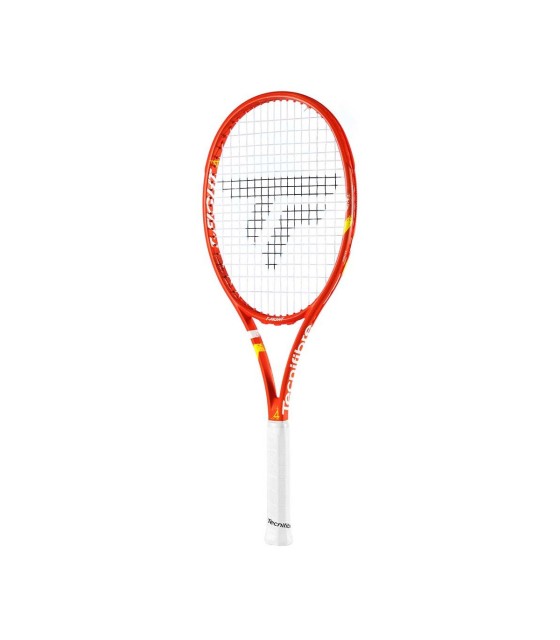
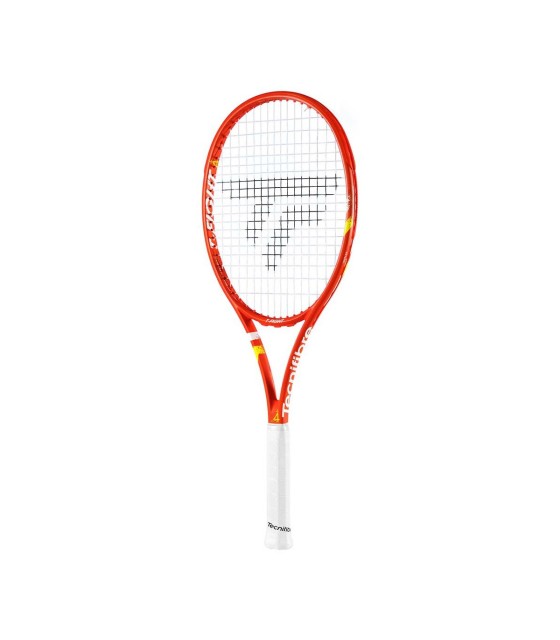
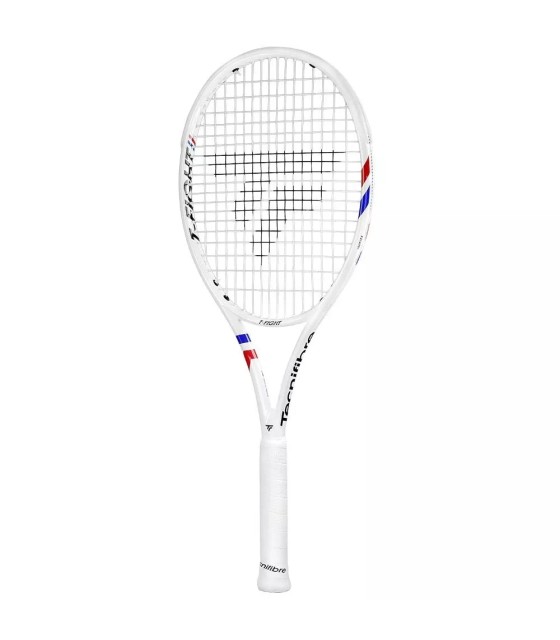
Fast attacking preparation
The family supports players who like to move the racket quickly and strike before the ball drops. This is useful for changing direction, stepping inside the court and maintaining initiative.
Compare the Tecnifibre TF-X1, T-Fight, Tempo, TF-40 and Fire families to find the racket that best suits your level, strokes and playing style, with specialist advice, professional stringing and customisation options.
A family for players who want easier depth, a comfortable response and a generous sweet spot that helps maintain confidence throughout every rally.
Fast and stable rackets for players who want to accelerate the swing, take the ball early and combine controllable power with precision from the baseline.
An agile range for players who value quick preparation, easy movement and help generating ball speed without giving up a stable response.
Designed for players who value precise trajectories, clean feedback and a solid response when hitting hard or changing the direction of the ball.
A balanced option for players looking for a manoeuvrable and stable racket that helps accelerate the ball while they continue developing their technique.
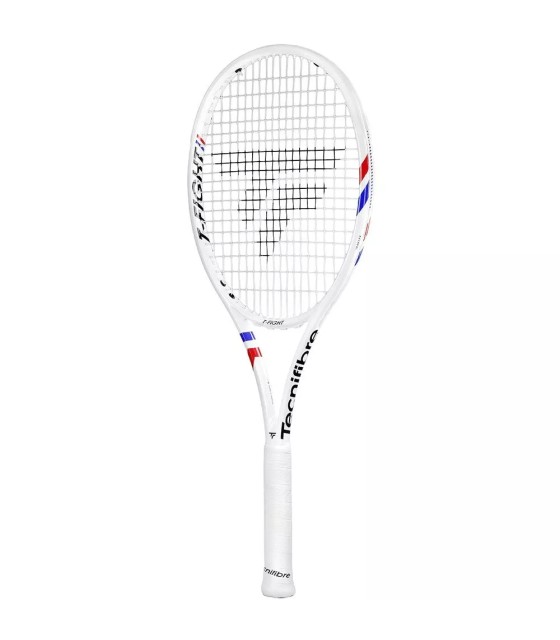
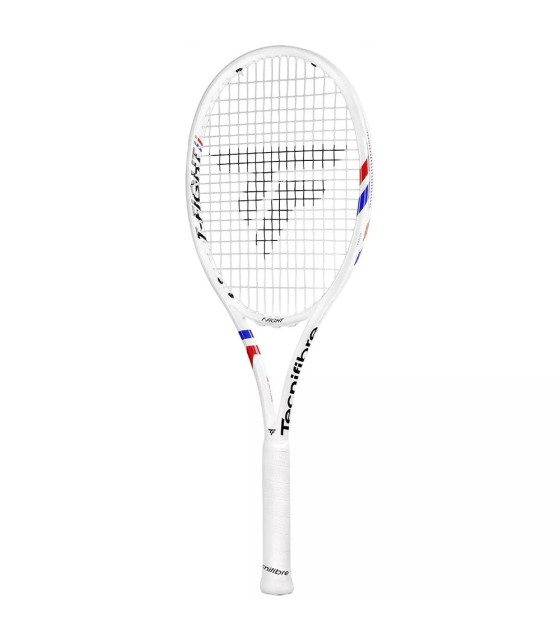
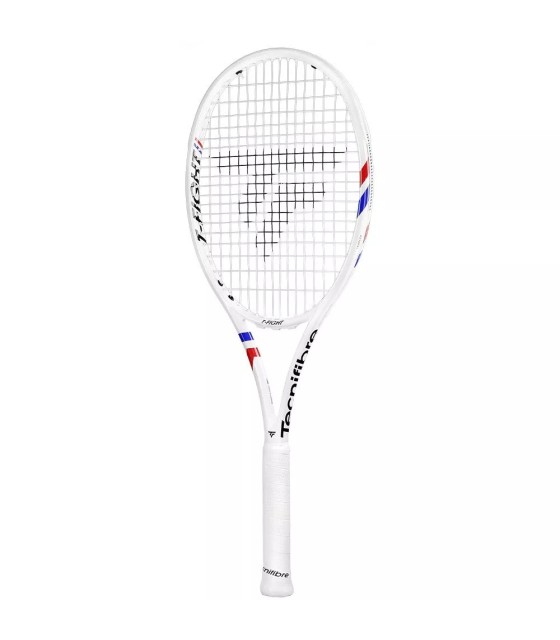
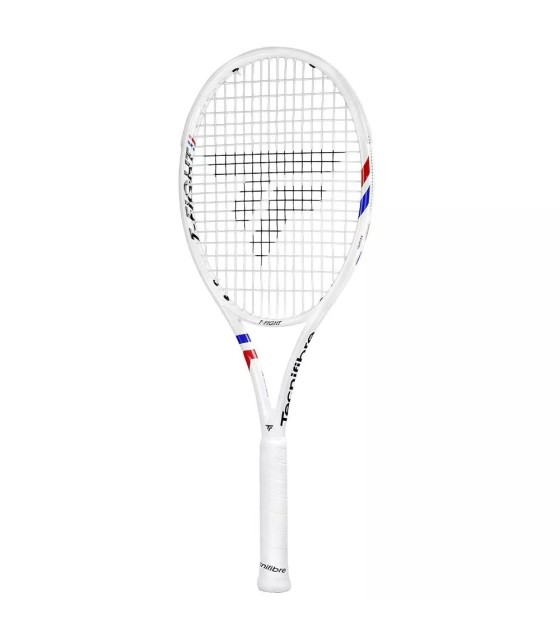
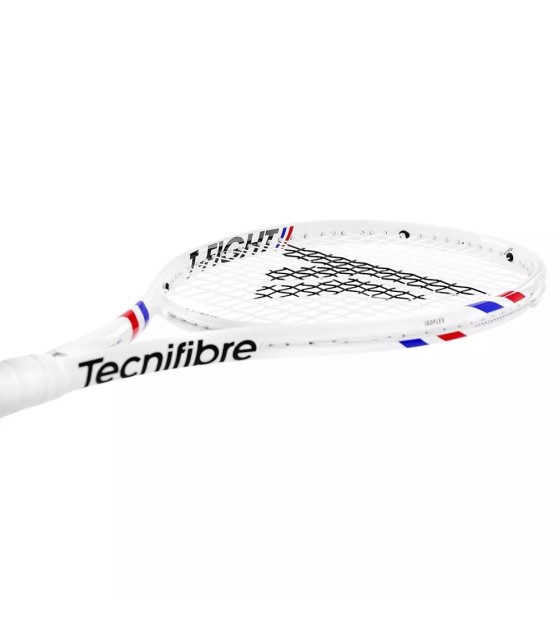
Tecnifibre T-Fight is aimed at players who want to accelerate the racket, take the ball early and combine controlled power with a precise attacking trajectory. Its active range is unusually broad, covering accessible weights and advanced S versions for players who need greater stability.
Active models include 255, 270, 285 and 300 grams, together with 300S, 305S and 315S versions and the current 300 IG and 300S IG options. Weight changes the demand and solidity of the frame, so the most advanced specification is only useful when the player can prepare early and sustain swing speed.
T-Fight rewards proactive tennis: early preparation, acceleration through contact and the intention to direct the point.
The family supports players who like to move the racket quickly and strike before the ball drops. This is useful for changing direction, stepping inside the court and maintaining initiative.
T-Fight aims to combine pace with a more directed response than a pure easy-power frame. The player should still choose a manageable weight, because late contact reduces both control and speed.
The lighter versions make the family accessible, while the S models add solidity for stronger swings and heavier incoming balls. The benefit of extra mass only appears when timing remains consistent.
Group the active range by the amount of manoeuvrability and stability your game can use.
The easiest options to accelerate. They suit developing players, compact swings and those who want the T-Fight character without the physical demand of a heavier performance frame.
Reference weights for regular and advanced players seeking a balance of speed, stability and attacking precision. Compare the exact model and string setup rather than choosing by the number alone.
The most demanding active options. They provide greater solidity for players who generate their own pace, prepare early and can keep the racket moving freely throughout a full match.
It can suit aggressive baseliners, all-court players and anyone who wants to accelerate early while retaining directional confidence. The range also allows a gradual move towards heavier specifications.
If easy depth and forgiveness are the priority, compare TF-X1. If you want a more control-dominant response with 16M and 18M choices, review TF-40.
The setup should control the ball without making the racket harsh. A player who already produces spin and pace may use a firmer response, while a developing player normally needs more comfort and free depth.
Tension should be adapted to the exact weight, pattern, swing and previous string—not copied automatically from another T-Fight model.
Comparing two nearby profiles often makes the final decision clearer.
Easy depth, comfort and a generous response for players who want usable power without an excessively demanding swing.
View TF-X1 →A control-oriented family with clean feedback, stable impact and 16M or 18M options in the heavier models.
View TF-40 →Please sign in first.
Sign in
