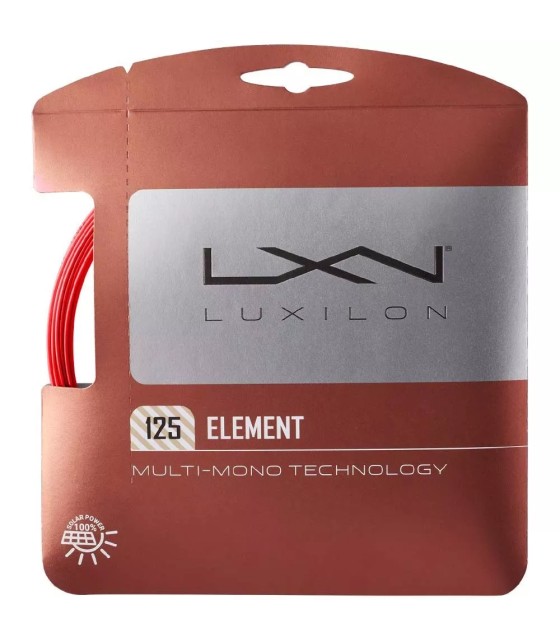
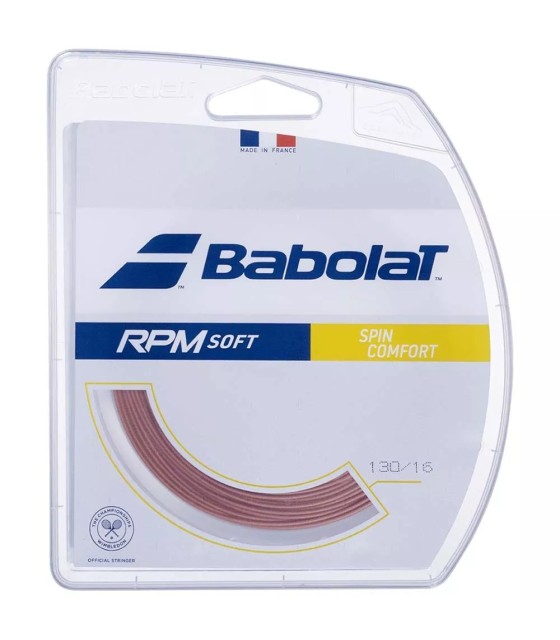
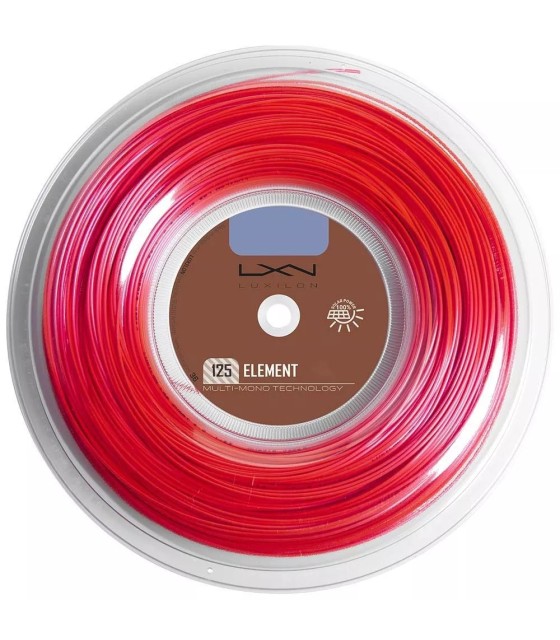
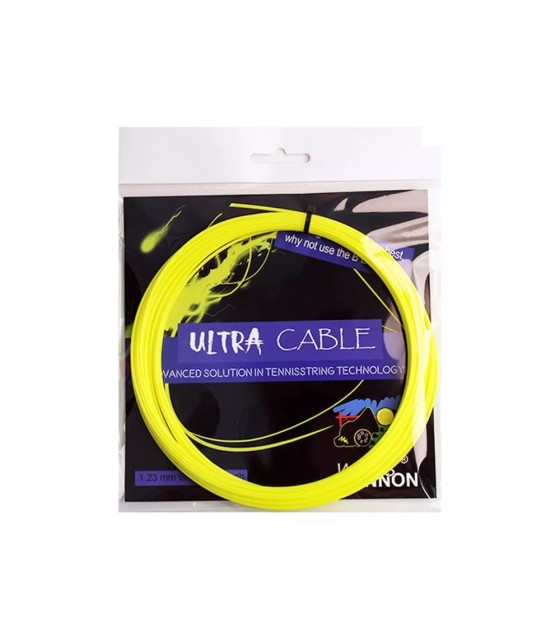
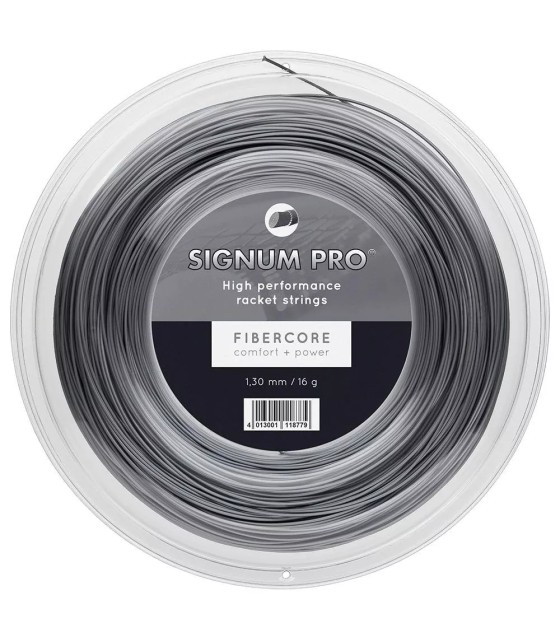
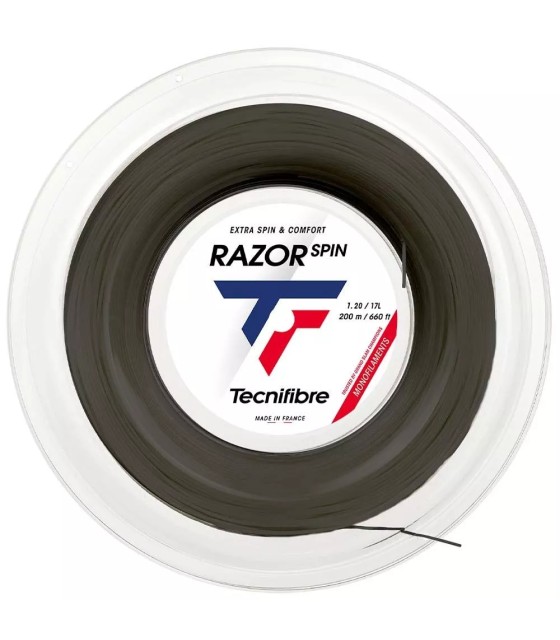
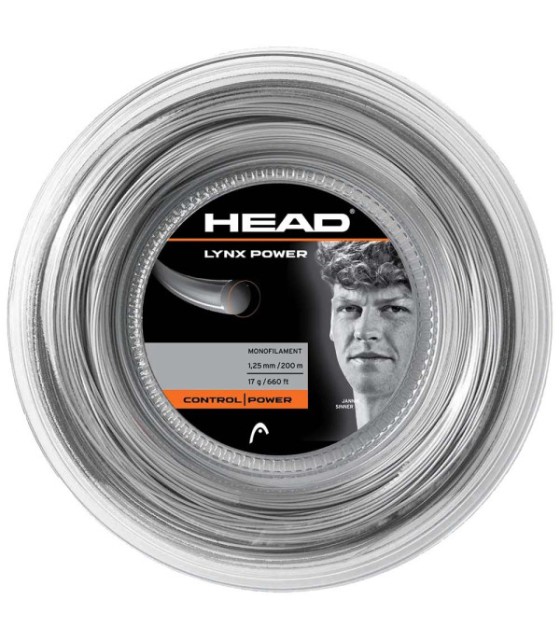
Find the string that best suits your game: control, power, spin or comfort. Sets and reels from leading brands, with professional restringing.
Want us to restring your racket? At-home racket stringing service → Collection and return: €9.95 (mainland Spain and Portugal).
Not sure which string to choose? Get advice on WhatsApp →Choose the playing feel you want and go straight to the most suitable strings.
In short: the best tennis string is not automatically the stiffest, the most expensive or the one used by a professional. It is the string that suits your swing speed, breakage rate, comfort needs, racket and tension. At Ipontennis you can compare string sets and reels and narrow the choice by construction, gauge and playing characteristics.
The string bed is the part of the racket that contacts the ball, so it has a direct effect on the response of the whole setup. Material, construction, diameter, tension and playing time influence ball launch, control, spin potential, feel and durability. Strings should therefore be selected together with the racket rather than treated as a minor accessory.
Start by ranking your priorities. Players with fast swings who break strings regularly may value control, stability and resistance. Players looking for easier depth or a more arm-friendly response may place more importance on elasticity and comfort. A hybrid setup can combine two different strings in the mains and crosses when a single construction does not cover every need.
Monofilament tennis strings, usually polyester or co-polyester, often suit players with fast racket-head speed who want control, spin and resistance. They are not the default answer for every player: the feel is firmer and performance can decline before the string actually breaks.
Multifilament tennis strings combine many fibres to produce a more elastic response, accessible power and comfort. Natural gut is valued for elasticity and tension maintenance, while hybrid setups balance different qualities. In a hybrid, the string installed in the mains usually defines much of the overall character.
Gauge describes string diameter. Within the same string family, a thinner gauge generally provides more feel and response but may be less resistant to breakage. A thicker gauge normally favours durability and a more stable response. Consider the racket pattern, playing frequency and how easily you move or break strings before deciding.
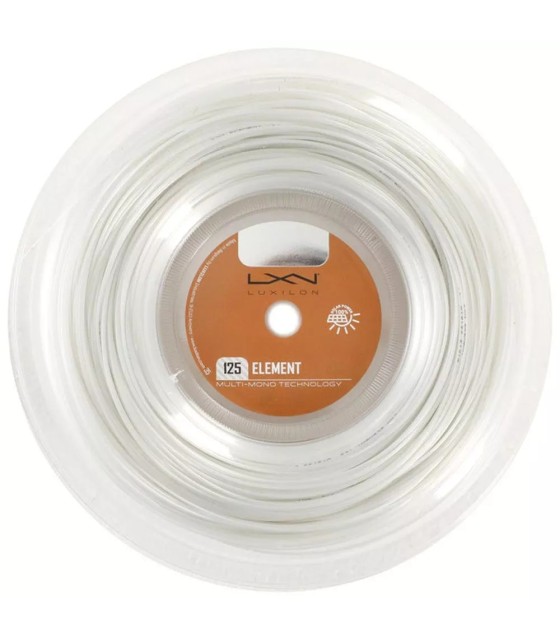
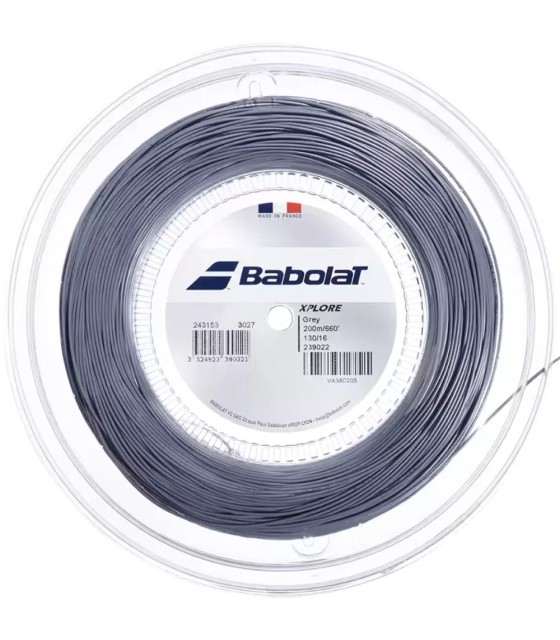
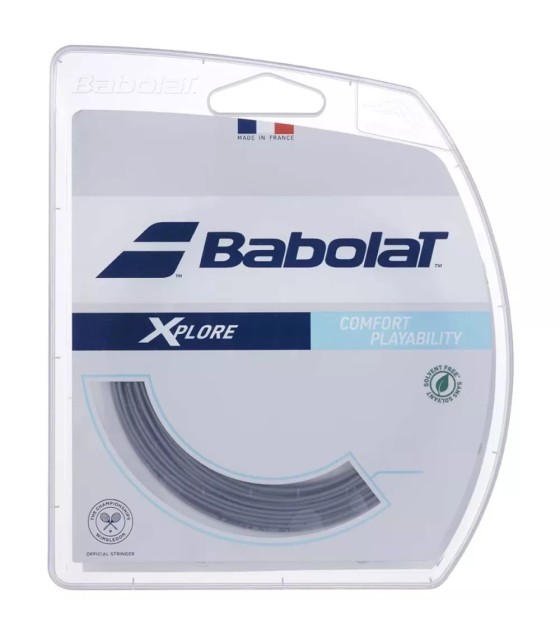
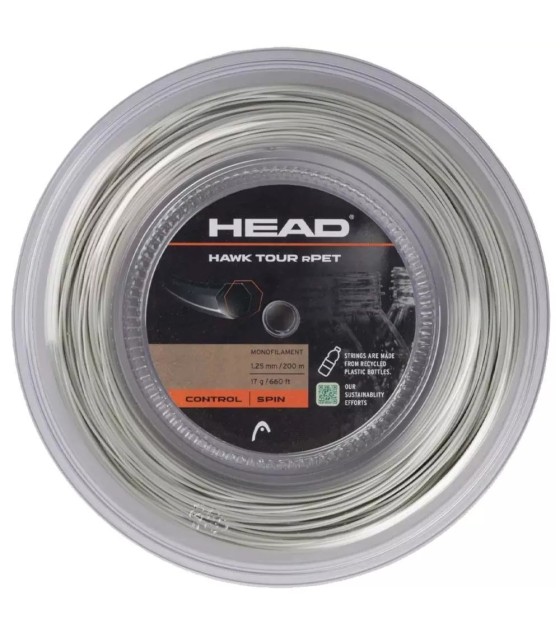
A set contains enough string for a standard restring and is practical when testing a model, changing gauge or building a hybrid. A reel supplies several restrings and can offer better value for frequent players, families, clubs and stringers. Compare total length, string required per racket and realistic usage, as racket heads and patterns do not all consume exactly the same amount.
Use the racket manufacturer recommended range as a starting point and fine-tune from there. Tension never works in isolation: string type and gauge, head size, pattern, frame stiffness, technique and personal preference all affect the outcome. If you experience arm discomfort, avoid experimenting with very stiff setups or extreme tensions without specialist guidance.
Do not always wait for a string to snap. A noticeable loss of control, a dull or harsh feel, excessive string movement or many hours of play can show that the setup no longer performs as intended. Monofilaments in particular can lose their useful response before they break.
Our range includes Babolat, Head, Luxilon, Solinco, Tecnifibre, Wilson, Yonex and other specialist names. Explore all tennis string brands or browse our racket stringing tools.
Ipontennis has provided specialist advice and racket customisation since 2006. If you are deciding between two materials, gauges or tensions, tell us your racket, current string and tension, playing frequency, level, style and any relevant discomfort. Those details allow us to recommend a more coherent setup and prepare the racket around your preferences.
Which tennis string is the most comfortable?
Multifilament and natural gut strings usually provide a more elastic response. Gauge, tension, racket and the age of the string also influence final comfort.
Which string is best for spin?
Many fast-swinging players prefer monofilaments that promote string movement and snapback. Technique and racket-head speed remain essential to producing spin.
Is a reel always better value?
The cost per restring is usually lower when the reel is fully used, but a set makes more sense for testing a string or for players who restring infrequently.
What tension should I use?
Begin within the range stated for your racket and from a known reference. Change only one variable at a time and record the result before refining the next restring.
Narrow your choice by construction, playing characteristics or manufacturer.
You can also browse our tennis string brands.
Please sign in first.
Sign in
How can we help you?