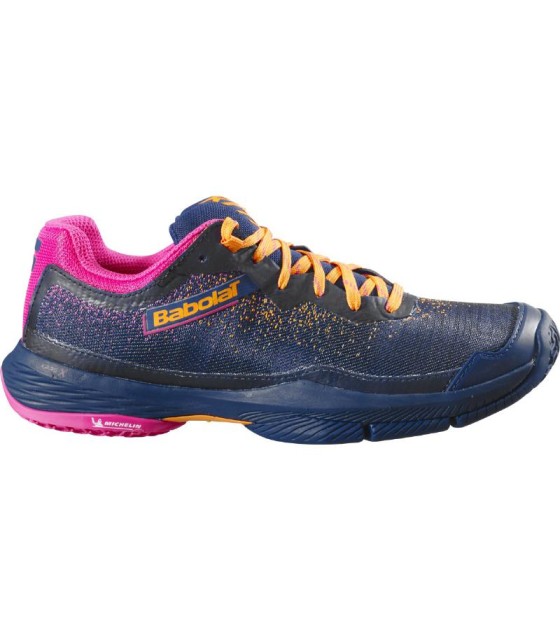
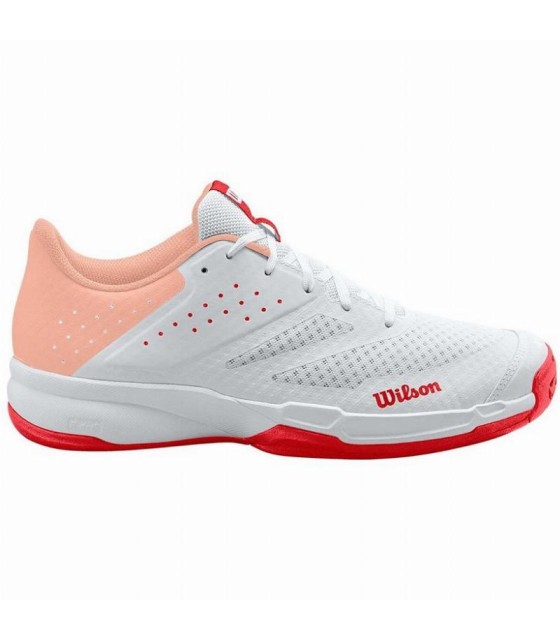
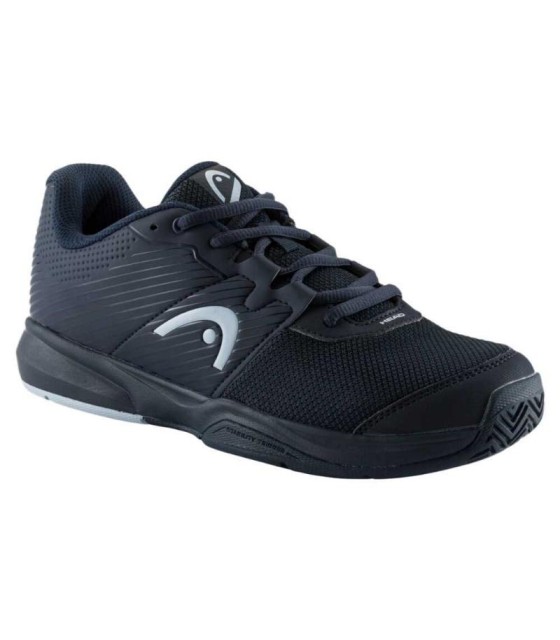
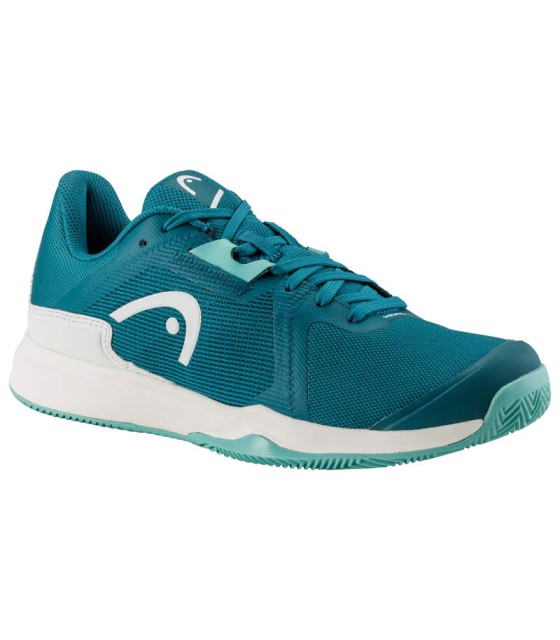
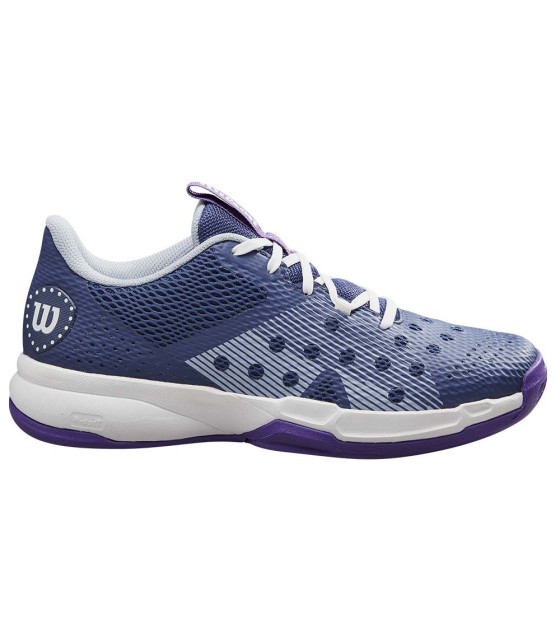
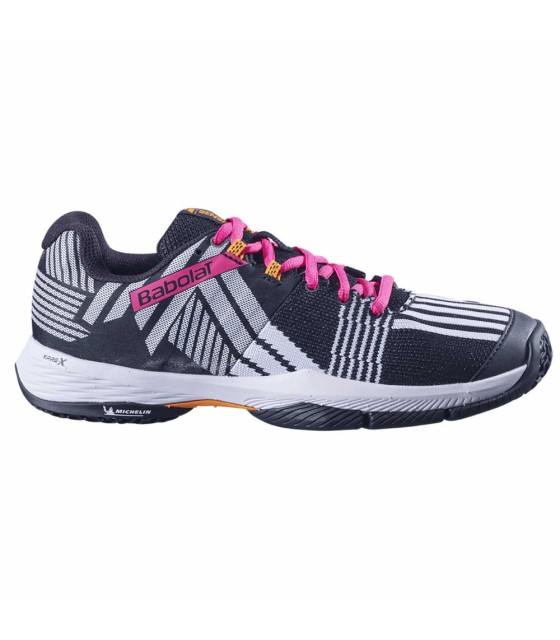
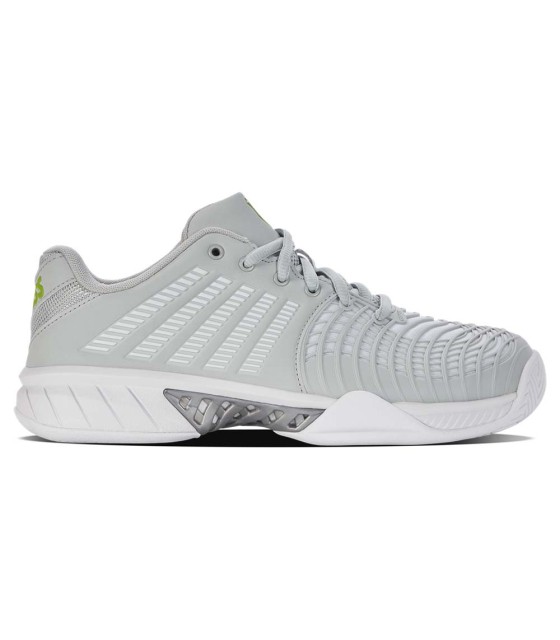
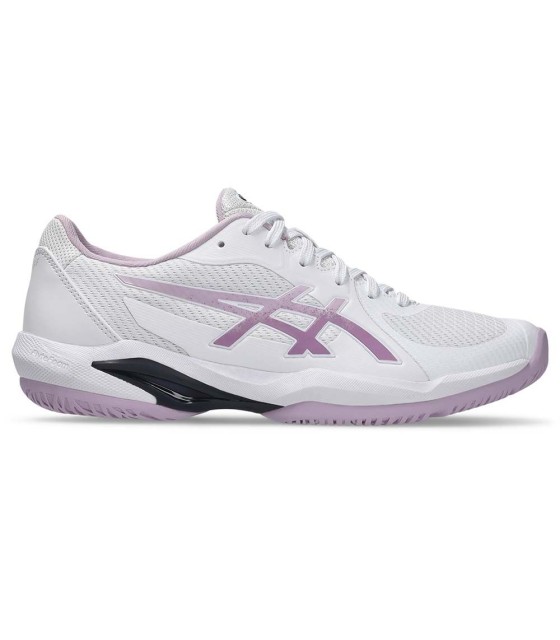
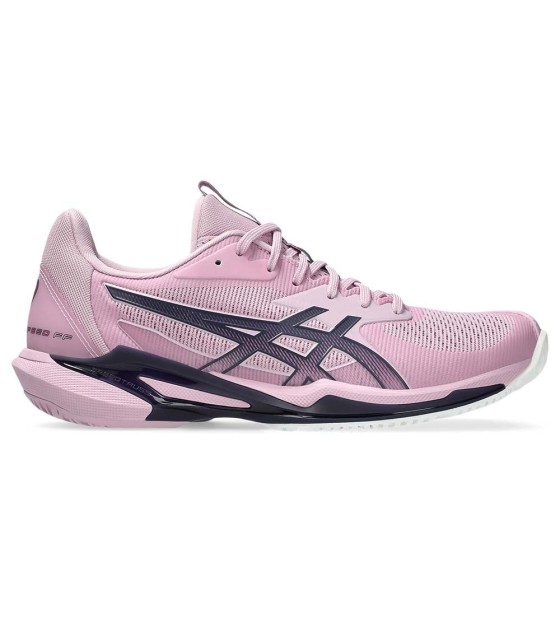
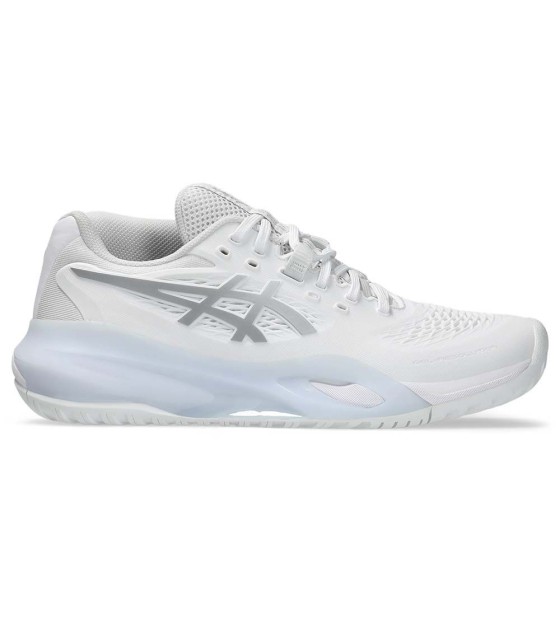
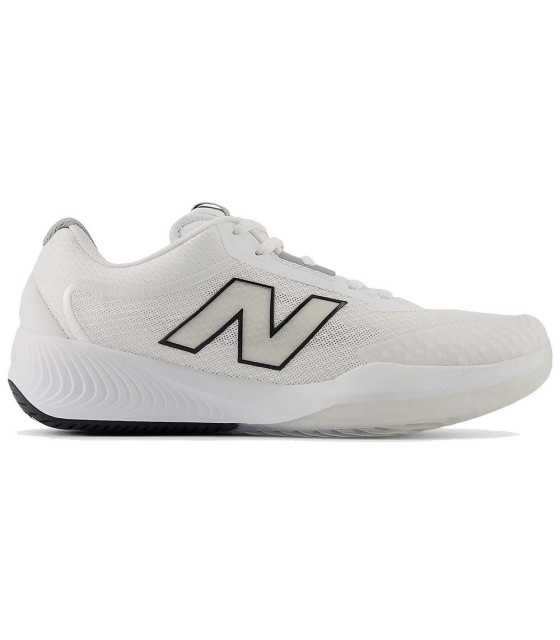
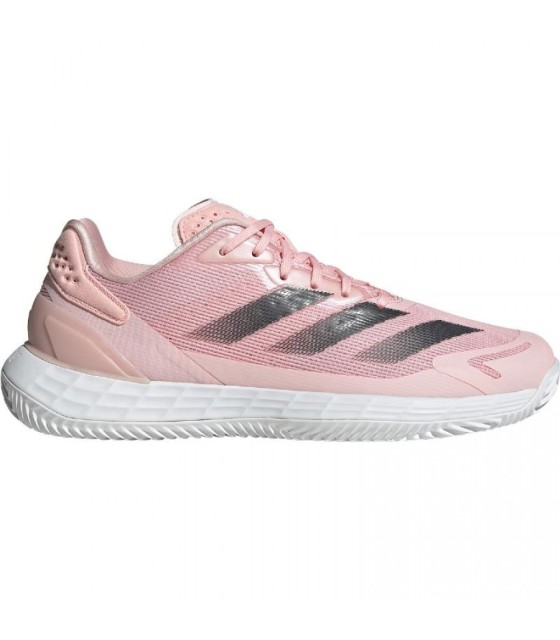
Women’s tennis shoes should support quick movement, sudden stops and changes of direction without sacrificing hold or comfort. The right model is not chosen by appearance alone: shape, heel fit, lateral stability, cushioning and outsole all affect how the shoe feels on court. At Ipontennis, you can compare specialist footwear for different surfaces, levels and playing frequencies.
Every player has a different foot shape and movement pattern. Some models provide a closer heel fit or adapted internal volume, while others use a roomier last. The important point is to keep the foot centred and stable without uncomfortable pressure. You should also decide whether you prefer a light, flexible feel or a more structured construction for extra support during demanding lateral loads.
For clay courts, a herringbone tread supports clay release, grip and controlled sliding. On hard courts, prioritise abrasion-resistant rubber and cushioning suited to repeated impact. An all-court outsole can be practical if you alternate surfaces or play occasionally. If you train frequently on one court type, a dedicated outsole generally provides a more precise response.
Players seeking speed often feel comfortable in light, flexible shoes with a close-to-court sensation. For long matches, impact sensitivity or regular hard-court play, stronger cushioning may be useful. If your game involves frequent changes of direction or you prefer a highly controlled step, look for a stable base and secure midfoot hold. No profile is universally better: it should match your movement and personal preference.
Measure both feet at the end of the day, when they may be slightly larger, and use the longer one as your reference. Leave a little room in front of the toes to avoid contact when stopping, but not so much that the foot slides. Try shoes with tennis socks and assess the hold through lateral movement. If you wear orthotics, have a wide forefoot or narrow heel, check the volume and shape of each model. Do not assume the same labelled size will fit identically across every brand.
This category contains active products from Adidas, ASICS, Babolat, Head, Joma, K-Swiss, Lacoste, Le Coq Sportif, Lotto, New Balance, Wilson and Yonex. Availability can vary by season, size and stock. Compare individual product features because a single brand may offer speed-focused, cushioned, stable and durable options. You can also browse our full range of tennis shoe brands.
Ipontennis has specialised in tennis since 2006. We select models for beginners, intermediate players and competitors, with footwear for different court types. Use the filters to find your size and compare several options before buying. You can also visit men’s tennis shoes and junior tennis shoes. If you need help, our team can guide you according to fit, surface and playing frequency.
What is the difference between a women’s and a unisex model?
The last, internal volume, heel fit and size scale may differ. However, the real feel depends on your foot. The key is secure support without pressure.
How much room should there be in the toe box?
Leave a small margin so the toes do not hit the front when stopping, but avoid excess space that lets the foot slide. Use your measured foot length and each brand’s size guide.
Can I wear padel shoes for tennis?
It depends on the outsole and surface, but they will not always provide the right behaviour. For regular play, choose a tennis shoe compatible with your usual court.
Please sign in first.
Sign in